Interview to Brian Auger


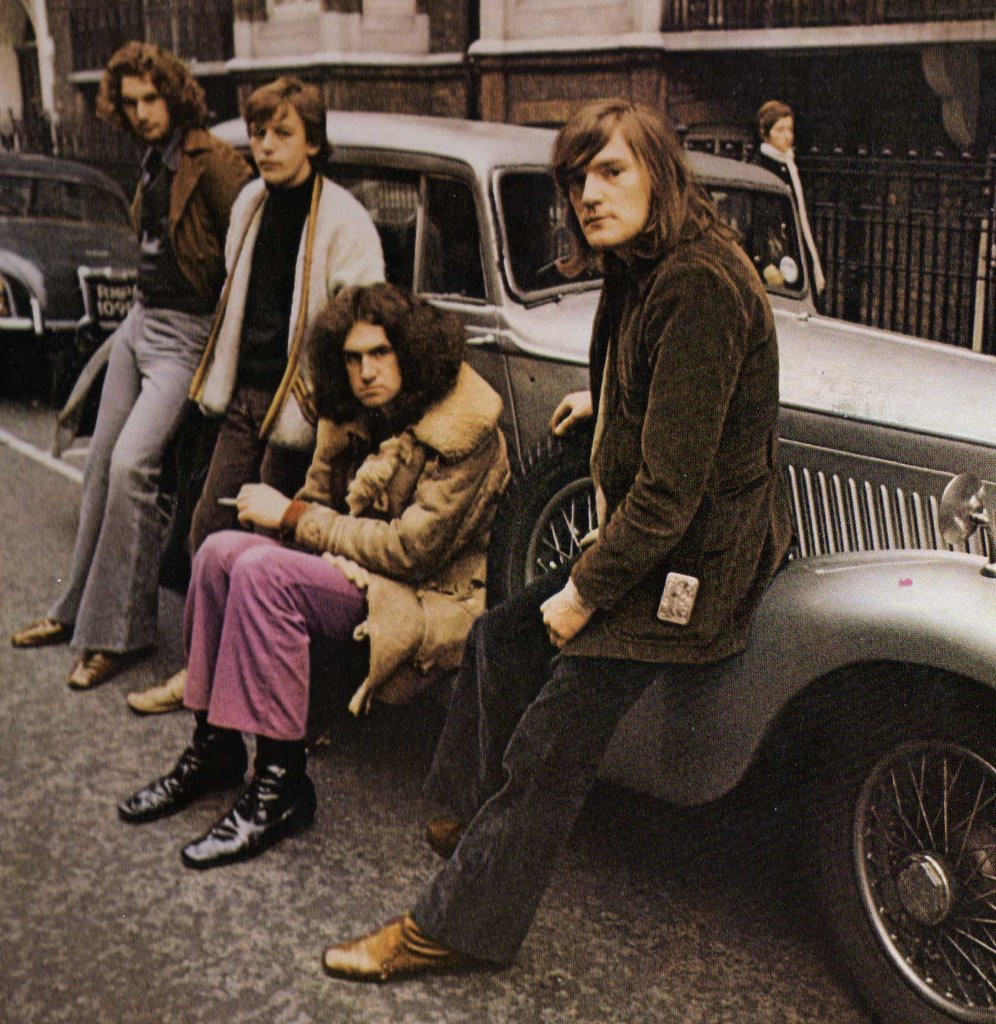
Im proud and excite to introduce to you another of my chats with a great Organist and Pianist that need no presentation ...Brian Auger , his Organ style groove us from the 60's till now !
Trinity , Oblivion Express , The Steampacket and all the London scene !
I hope you enjoy this interview i did .
Whats you favourite Bands and your musical tastes in the beginning and now ?
My Favourite bands early on were Art Blakey's Jazz Messengers, Miles Davis, John Coltrane, Blood Sweat & Tears, Steely Dan, Yes, Led Zeppelin, Mothers of Invention, Herbie Hancock Quintet, Aretha Franklin, Donnie Hathaway, Stevie Wonder, Marvin Gaye and many many
more.
Today Tears for Fears, Brand New Heavies, Incognito, Jamiroquai, John Mayer, Coldplay, Foo Fighters, Down To The Bone. etc etc.
Can you tell me about when you decide to move from Jazz and Piano to join Organ and R'n'B ?
I switched to the R&B/ Rock scene in 1964 and bought my first Hammond Organ in Early 1965. I have not left the Jazz Scene and I incorporate much Jazz in my music, and play on many Jazz Festivals. I also never left the piano and still play piano pieces every night on tour.
Flamingo Club in London was one of the many Clubs in where you played , how was the Club vibe in the 60's , which were the Sound of that period .
The three most influential clubs in Central London in the 60s were The Ronnie Scott Club ( strictly Jazz, and still going), The Flamingo, (home of the R&B organ based bands) and the Marquee Club ( home to Jazz, Blues and the new pop bands like The Who, Spencer Davis Group, The Steampacket, The Move etc etc. As one of the only musicians that played in all three clubs, always liked the Flamingo for its mixed audience of English kids, West Indian fans and American soldiers and airmen who came into London on the weekends. This was a dancing audience and had the best atmosphere.
I saw an Auger Driscol Compilation called " The Mod Years " , whats your relation with Mods ?
My connection with Mods began in the Steampacket. We wore tailored suits and Carnaby Street clothes and the public called us Mods for our "modern Style of Stage Wear'. Indeed the unknown Rod Stewart who really started his career in the Steampacket became known as Rod the Mod.
What you remeber about the Steampacket period and Long John Baltry , Stewart and Jules ?
Steampacket was a great group. The first Supergroup. Unfortunately there were three managers, one for Baldry, one for Rod and one for myself and Julie. This caused a lot of problems and we never got to record properly because we were all on different labels. The only tracks available were pirated.
Then the Trinity with Auger and Driscoll in '66 , "Open" in '67 and so on , did you get the feeling to be starting a group like that ?
At the end of the Steampacket, I already knew that I wanted to start a band that would be a bridge between the separate scenes of Jazz and Rock. I wanted a rhythm section that could play funky R&B + jazz and I wanted to put Organ Solos on that base using my Jazz Harmony chords and with a positive vocal message. This was the Trinity, the first band of its genre to headline the Montreux Jazz Festival , The Berlin Jazz Festival, The Rome Jazz Festival , and all in 1968 with our first album OPEN and our single SAVE ME.
How did you define the Trinity Sound and how the Oblivion Express sound ?
The sound of the Trinity and the sound of Oblivion Express were pointed out in the recording studio. I simply tried to make sure that everything that was played by each musician was clearly heard, and a little reverb was added. I am not a Phil Spectre who is trying to create a particular sound to every one of his recordings.
When and how you decide to form the Oblivion Express ?
After the Trinity broke up in 1970, I really wanted to push the musical envelope and develop the Jazz Fusion music that I had started.
As this meant that I would be going against the wishes of the record company who wanted more and more commercial music, I thought I was going the quickest way to Oblivion,( Oblio) so I called the band The Oblivion Express, (Il Rapido a Oblio). We are still going, but now with my Daughter Savannah on Vocals, and my son Karma on drums. This is the happiest Express so far.
I know you played a lot in Italy and also that you speak Italian , tell me something about your Italian side .
I first came to Italy as a student when I was 16 years old and instantly loved Italy and the Italian people. In 1967 I came back as a musician to play in a club in Milano and met my wife, who is from Cagliari Sardegna. This was the best thing that ever happened to me.I already had studied French and Latin at college, and Italian came easily for me. My connection with the Italian fans grows stronger every year, and I sent my three children to study in Italy so my whole family speaks fluent Italian.
Can you tell me something special , a funny thing or a story about your B3 ?
My Hammond B3 in the USA, originally was built in London England, but when I moved to the US, I had to install an American tone generator in it. So it is the only Anglo American Hammond that I know about.
Whats your future plans ?
My future plans are to play live with my band until I leave the Planet.
Labels: alessio berto, boogaloo, brian auger, hammond, jazzmotel, jimmy smith, kpm, organ jazz
posted by jazzmotel at 5:14 AM