Friday, May 29, 2009

"Metti una sera a cena " interview with Edda Dell'Orso

I was listening to an Ennio Morricone soundtrack , I was traveling with the sound of the Italian Soundtrack Lady voice Edda Dell'Orso , the Soundtrack was " Metti una sera a cena " .
I decide to look for this fantastic voice , call her and ask for an interview .
This woman was never too much on the scene and it was not easy to find her , but after met , I realyze that she is a humble woman and a great artist , so in invite her for a dinner " a cena " .
this is the result .

"Metti una sera a cena " interview with Edda Dell'Orso


What are your musical origins? What were your influences?

Musically I began as a pianist. I started to play the piano when I was 5 or 6 years old. The music that I listened to were mainly music from American film scores, mainly music by Gershwin, Cole Porter.

What were your experiences before your contact with the world of cinema?


I started with the chorus. A classical chorus that was called Coro Polifonico. I then moved to the Franco Potenza chorus and finally with Maestro Alessandroni (I Cantori Moderni )where I was lead soprano. Every now and again a voice was needed for 7 or 8 measures and it was then that I became to Morricone's attention for the first time. And then came C'era una volta il West (Once A Upon A Time In The West)and thus was born the “instrumental voice” which is was what I loved to do when I was small.

Speaking of Alessandroni and Cantori Moderni, you were part of this very versatile and in demand vocal group. How did the hiring come about?
You recorded many film scores in a relatively short time. Were the composers in competition with each other to have you work with them?


The hiring of Cantori came from Alessandroni, Morricone, and Cipriani. They would call me at home. While for other engagements we were contacted by the management of the single Orchestras.


How did you go about developing a theme? Did the projection of the film or the reading the screenplay have any influence or did the composer instruct on how the piece should by executed?

Umiliani, Morricone, Bruno Nicolai, Jess Franco, Berto Pisano, Alessandro Alessandroni, You sang with the greatest masters of music for films during the golden age for this genre. What were you feelings and emotions at the time?

During that period we made many recordings. At times I would find myself in the recording studio from 9 in the morning until midnight. In any case there was a 3 hour shift every day and we worked very hard but it was very exciting to work with such masters. It was my life.


I heard your voice when I was just 5 years old, listening to theme music to “Metti una sera a cena” which remains my favourite. Can you tell me something about the development of this music?

Usually I would be called in when the film was already finished. Many times I wouldn't even see the scene. Again, the Musical Director Morricone gave my the score and I would read and interpret it as if I was an instrument. This was my way of singing. I remember that Morricone played me the theme on the piano. The film director Patroni Griffi was also there. The theme was the one which I would have to sing. If I remember correctly, when I heard the first bars, that “haunting” riff, I was very affected by I told Morricone that it would be great if it was sung. That’s how the famous theme to “Metti una sera a cena” came about.

Do you usually listen to the theme tunes you have sung? Which is your favourite ?

All of them are great. I particularly like “La Donna Invisbile”(Morricone). I also like “Giù la testa”, “Margherita”, “le Stagioni della Vita”.


In the last few years film music has made a comeback and many theme tunes have been reissued, while a few have remained very rare and costly gems. What do you think of this comeback?

I think it’s due to the fact that they are showing those types of films again and also that Morricone is playing a lot with his orchestra and so he presents these themes again and the public appreciate them a lot.

Many of your songs for Morricone are vocalised or skat but a few times, “Verushka” for example you sing in a pseudo-English. How did this style of singing come about?

Let’s say that a few songs, mostly the Bossanovas, for example “La Donna Invisibile”were very suitable non only to vocalisation but to this thing also. If you ask me what I was saying. I don’t know. Maybe every now and again an English syllable would come out but all this would come from the way I would read the music, they’re called “Phonemicsi”

Many theme tune were inspired by jazz or Bossanova or Samba. These genres were all the rage at the time.

Usually Bossanova was chosen for the lighter situations, let’s say, erotic, (Director Dell’Orso). Let’s say it wasn’t exactly Bossanova which is a quite definite Brazilian way of music. It was a lighter rhythm that resembled Bossanova. Morricone played plenty of that.

Did you ever sing on compositions that were later used as soundtracks?

I sang “Il treno” by Bruno Nicolai that had been written for an advert for the Ministry of Transport. Many times I would sing and then honestly I wouldn’t know what use they would be put to.


What are your plans for the future? What are you doing at the moment?

When there’s an opportunity, I sing. Benefit concerts and a new CD called “A childs dream”... A Morricone double CD will shortly be released with all the famous tracks I song on, all original recordings apart from the theme to “Deborah”, which due to some editorial reason had to be re-done.

Labels: , , , , , ,

Thursday, January 29, 2009

interview with Antonello Vannucchi I Marc 4

Jazzmotel, after many interviews with European and worldwide jazz legends, returns home to Italy and begins a series of interviews with legends of music for film and library music.

Interview with Antonello Vannucchi.


During his career Antonello Vannucchi has performed with artist such as Chet Baker, Barney Kassel, Bobby Hackett, Kenny Clarke, Lee Konitz. Vannucchi, often pianist for Minnie Minoprio, also accompanied some of the great performers of Italian music from Mina to Ornella Vanoni.
Vannucchi also recorded “beat” songs for Ariston Records under the name of I 4 di Lucca later known as the great Marc 4.The name comes from the acrostic of the names of the founders (Maurizio, Antonello, Roberto, Carlo), all musicians wo were part of the Italian State Television (RAI) Orchestra. Essentially a studio band, because of the considerable technical ability of the single players, Marc 4 began to collaborate with the most prestigious authors of film scores : Ennio Morricone, Nino Rota, Armando Trovajoli, Gianni Ferrio, Piero Piccioni, Piero Umiliani, Alessandro Alessandroni to name a few. At times the guitarist Bruno Battisti D'Amario also collaborated with them.


Later the group began to produce their own material which had its origins in the beat style but later developed more into bossa nova and jazz, They recorded a few LP's and singles which are now very rare and sought after.
The principle characteristic of their sound was Vannucchi's Hammond organ. They also worked on TV themes, for example with Mooke/Simona, the theme tune to the program Controfatica, and also the two singles Tema di Nino/Romanza Popolare, which in 1974 were used as the theme tune for a television series about a doctor.
The single players also had a significant career as session musicians.

Where does your unmistakeable style of jazz come from? Who were your favourite musicians and how did they influence you at the beginning of your career?

I was fascinated by BeBop. Miles Davis was the one that opened up my listening to jazz music. I remember a 78rpm called “Down "or something like that , I cannot remember well .
Dizzy Gillespie,Clark Terry , Ray Brown and Bud Powell also influenced my taste, I loved bop from the 40's and 50's. I wanted to use two saxes to recreate that typical sound, the Bebop sound.

You played for a long period with the RAI Orchestra, accompanying the queens of italian music such as Mina and Vanoni. Was it easy to get into RAI and play with such an orchestra?

I played with the Rai Orchestra from 1965 to 1995, I played with Mina, Vanoni and the Kessler Sisters. We also created a small combo that played with them when they toured. We played many concerts, in Europe and beyond.

Tell me about the fabulous group “I Marc 4”. How did they come about?


“I Marc 4” came together in the early 70's. We played on many film scores, we were session men, let's say.
At times, the music director Trovajoli like also Umiliani or Piccoli, asked us, in certain particular moments of a film, to create sounds that appealed to our taste, commentary music (library)
And from that the idea of recording these “commentaries” or other pieces under the name of “I Marc 4”.
The name derives from the initials of our names Carlo Pes, Maurizio Majorana, Roberto Podio and me Antonello Vannucchi.
The Serni label produced these records that were later used as library music on “Cronache Italiane” etc..


When you were writing pieces for soundtracks, surely you had more room to move creatively. Did you have a catalogue of pieces already composed or did you compose according to request and demand?


Most of the times they would give us some themes and we would create ad hoc soundscapes.

“I Marc 4” were defined as the “Trovajoli Soloists”. Other than with this Musical Director you also worked with composers such as Ennio Morricone, Nino Rota, Gianni Ferrio, Piero Piccioni, Piero Umiliani, Alessandro Alessandroni.. How were you taken on or engaged. You were in high demand at the time...

Let's say that our sound was in demand,. We had an Hammond Organ and our sound was inspired by Jimmy Smith, this was the early 70's.

We could say that you were the rhythm session of the Italian theme music.

Exactly!! And we were also the rhythm session for the RAI Orchestra

At times you composed under other names. How come?

Being a part of RAI, myself Podio and Majorana, according to contract, we could not have a dual role and so when we were asked for a piece of library music, we'd record them under made up names or friends names in order to get round the problem of not being able to be under dual obligation. The names used were De Luca , Edmundo Rossi , Romolo Grano etc...

Which Musical Director was able to acknowledge your renown jazz vein?


Trovajoli for sure. He was a jazz player in his own right. Piccioni also loved jazz. He was very eccentric. !

You also played with jazz legends from overseas such as Chet Baker, Barney Kassel, Bobby Hackett, Kenny Clarke, Lee Konitz.
Was there a difference between playing with foreign musicians who were strictly jazz and Italian composers who had a background of classical or popular music?

When Baker came out of prison in Lucca in 1965, he came knocking straight at my door. We decided to form a group to accompany him during his concerts. We did this for quite a long time during his stay in Italy. The group was composed by me on vibraphone, Baker on trumpet, Andrea Tommaso on double bass and Franco Mondini on drums.

Mina, The Kesslers Sisters, “La Bussola”. What was the atmosphere like in Rome in the early 70's ?

The atmosphere was fantastic and always electric.

Do you ever listen by chance, to some theme tune which you played on or some recording by Marc 4 ?


Yes I still have all the vinyl records of our work and every now and again I listen to them. I know them off by heart by now.

What do you think about the desire that there is now (in the last few years) to look for, listen and even dance to that music.?

Naturally it pleases me ! I think that the music that we did then is very close to that which the young people listen to today, so it not difficult to see why they appreciate that type of music.

Labels: , , , , , , , , , ,

Thursday, December 06, 2007

Interview to David Axelrod " The Axelrod Tape "

Quote David Axelrod web site :

An award-winning producer for Capitol Records who produced, great jazz, funk, and soul records during the 1960s and '70s, from Stan Kenton to Lou Rawls to The Electric Prunes to Cannonball Adderley. David Axelrod created his own distinct style. He has earned one Grammy and five nominations, along with seven gold records. Serious jazz lovers will recognize his name.
Axelrod freely uses drums, horns, strings, string bass as well as woodwinds along with key board, in his compositions. Poetry has been an influence on his compositions. He is considered a visionary and the father of fusion.


As I wrote in a previous transcript I got in touch with David
Axelrod's son Dana to interview "The Maestro" .
Interviewing him for the first time was a strange sutuation for me, I
was very shy to ask all the normal questions that every Jurnalist would
like to ask, after all what more can I ask to a living legend like David
Axelrod...?
Experience, Sampling, Productions, Origins, Taste...


David Axelrod for me is a kind of " Deep Composer ", I never knew
what to call his Style, so deep so intelligent, a kind of "Baroque
orchestral message". Funk Jazz tinged ...Out of any " regola " Free from
music standards, a kind of Archetypal music.

The first time I heard him was like an illumination,
"Who can mix Classical moods , Jazz , Soul , Funk and Rock together
with God's blessing"?


So I started to research as always... and collecting... new experiences!

Song of Innocence
Song of Experience
Rock Messiah
Earth Riot

Loads of productions, lots of them sampled by big modern artists like
DJ Shadow, DR Dre and many more...


It was like living in the 70's when I received the "tape" with the
recorded answers, it was pretty strange for me receive a tape in 2007
but this is all part of the legend that is Axelrod...

I don’t have a tape recorder any more, shame on me! How times have
changed.
I found the "tape recorded" interview so cool because, Axelrod
answered me directly. Answers without questions... for me it was a type
of poetry.
When I listened to the tape I decided to put the interview here on
Jazzmotel, laid bare without questions, just like a kind of statement,
David Axelrod "SPEAKING BY HIMSELF" to answer me... the interviewer...
A true privilege and one interview I will never forget.


In the internet and electronic era it is quite cool receive a tape,
so this my friends is the "Axelrod tape!"


How you doing Alessio?

Everything is fine here in the States. It couldn’t be better.


Well, sampling and music seems to be here, although they are cutting down on it, and I don’t mind having my music sampled. I think it’s kind of neat, that so many people are interested in it, especially if it’s done right.

No, I wasn’t angry when I first heard myself being sampled, I thought it was kicks. I broke up laughing. Then came some serious samples, and if you can get someone like the way Dre did it, the way he did Next Episode, when he sampled The Edge, and what I used as the intro, he put behind the first four bars of the band. And it worked, it really did work.

Also Diamond D, the way he did things when he sampled Mental Traveller, when he put the guitars in different places than I did, and I kind of liked it, as much as what I did was the only way I had done it.

So what’s the sense of getting angry, it’s going to be done anyway, you just have to hope that whoever does it does it musically.

Well downloading is here, and it won’t be a problem once the majors figure out how to utilize it and sell their product on it. The only thing I don’t like about it, is the sound itself. Certain things become very tinny, especially if they have any kind of orchestra, the orchestra sounds very bad. If you using a quartet or a quintet or something you’re far better off. I just don’t like the sound

Well before the sixties and seventies, I was just into a great deal of jazz, as a matter of fact as from about 1954/1955 through the early 60’s, that’s all I listened to. But as I said, before that, I was listening to jazz and rhythm and blues,. People like Amos Milburn and Little Milton and others and especially T-Bone Walker.

Learning music on my own was very very difficult. I don’t recommend it. Did it add to my personal style?..Probably. Because I was already writing before I got involved with certain rules that had to be supposedly applied with. I broke those rules and now that I know better, I still break them. But you better learn. Whether it’s your own or whether it’s within a school. I’ve often told Randy Newman, who I’m very very fond of, that I envy his education at USC (*University of Southern California). A degree in music is a great help.

I don’t hear a lot of cohesive albums any more. It’s like concept-albums seem to be out. I don’t know why that is because I love concept albums and I’ve been doing them my whole musical life, starting in 1967. So why that’s not happening now I don’t know. Maybe it’s the labels. If so, they’re making a mistake. If someone has a good idea for a concept, it’s always going to be cool. Check out people like Alan Parsons

Yeah, I would like to tell your readers to check out davidaxelrodmusic.com

They will really enjoy it.
And… thank you


All the pictures curtesy of Davidaxelrodmusic.com

Labels: , , , , , , , ,

Carlos " Patato " Valdès


I just knew from my Latin friends in America that Patato was not good ...
Then i had the bad notice from my friend Harvey Averne that the Great percussion player passed ...
I had a look around to get some infos about Him and I went to see a great article on herencialatina.com.
Nobody could explay better than Herencia Latina , the life , the feelings , the vibe and the story of thig little great Brother !
So I invite you to go there and have a read at this story .
Rest in peace Brother Patato and " beat" them all with your Congas !
Jazzmotel

Labels: , , , , , , , , ,

Friday, August 03, 2007

introducing Mr Terry Callier


Terry Callier was Born in Chicago were also Curtis Mayfield, Jerry Butler, Ramsey Lewis and more was .Terry Callier began studying the piano at the age of three, he writed his first songs at the age of 11.
In the College period , he learned to play guitar and setting up residency at a Chicago .
In that city he coming to the attention of Chess Records arranger Charles Stepney, who produced Callier's debut single "Look at Me Now" , it was 1962.
In 1964, Callier met Prestige label producer Samuel Charters, and a year later they went in the studio to record his LP "The New Folk Sound of Terry Callier "( Prestige ).
The album went unreleased before finally appearing in 1968.
With his friend Jerry Butler's they starts the Chicago Songwriters Workshop and composed material for local labels including Chess and Cadet, one of the famous was the Dells' 1972 smash "The Love We Had Stays on My Mind."
Stepney, now a producer at Cadet, release Callier 1973's "Occasional Rain", an incredible fusion of folk and jazz which laid the groundwork forexplored on the following year's "What Color Is Love?"
Callier works were not so commercial, and after 1975's LP "I Just Can't Help Myself" he finished his relation with Cadet.
In 1978 he starts a new relation with Elektra's Jazz Fusion of Don Mizell, they release the orchestrated "Fire on Ice" followed in 1979's by "Turn You to Love", with this album he cracked the pop charts with the single "Sign of the Times" known thanks the legendary WBLSFM DJ Frankie Crocker. After Electra he largely disappeared from music in the early '80s.
Callier continued composing songs, till 1991 when he received a telephone call from Eddie Piller, the boss of he U.K. label Acid Jazz. Piller ask the permission to rerelease Callier's littleknown single from 1983, "I Don't Want to See Myself (Without You)" and the rest is history ...
Callier stars to collaborate , touring and release his new works after decades of stop .
Now Terry Callier is still going great and his consider most important exponebt of Folk-Jazz sound .

Terry Callier Discography :

New Folk Sound of Terry Callier (1964)
Occasional Rain (1972)
What Coloor is love 1973
I Just Can't Help Myself 1975
Fire on Ice 1978
Turn you to love 1979

Labels: , , , , , ,

Monday, April 09, 2007

INDO JAZZ SUITE


The Indo-Jazz

After hearing Mathar by Dave Pike and other pieces on a compilation by Gilles Peterson, I understood that Indian music had been mixed together, in an excellent way, with pop but also with jazz. That’s when, like always, I began to get to the bottom of things seeing that both Indian music and jazz were favourites of mine. During this period I was in London visiting some friends and as I wandered about the shops I found myself in front of Honest Johns that is by the underpass in Portobello Road. I remembered that once my friend had told me that you could find some good jazz at H. J…. so I decided to go in. I was in the jazz section that was just inside the front door but in the basement (today the entrance is different) and I started to look through the hundreds of pieces of vinyl. After a while I decided to ask one of the assistants, looking after this section, if they had any jazz mixed together with Indian music. The guy thought for a few seconds and then he got out the gatefold LP’s of John Mayer and Joe Harriott called “Indo-Jazz Suite” and “Indo-Jazz Fusions”. The records had that typical smell / perfume of old vinyl and cardboard sleeves, I asked if I could have a listen and seeing that the price was very high the guy put them on the deck and began to play them. They were very different to what I had heard on the compilation, they were a double quintet of Jazz Musicians and Indian Musicians, the sound was fantastic and very early 60’s jazz flavours! There is no point mentioning that those two pieces of vinyl were the first in a long line of Indo-Jazz vinyl in my possession. I want to talk for a second about John Mayer even if Gabor Szabo, Dave Pike, Wolfgand Dauner, Alan Lorber Orchestra and many others have united Jazz and Indian Music together with some excellent results. John Mayer was born in Calcutta in 1930 and began getting a passion for music right from an early age of seven when he used to play the Violin, he then began to study basic Jazz drum rhythms and started getting into this genre. After winning a purse for studying he arrived in London in 1950 we he studied and composed mixtures of Indian music with Western music and then became part of the Royal Philharmonic Orchestra up until 1965. One year earlier the EMI producer Dennis Preston asked him if he could create an Idiom in a jazz key to complete an album that he was working on and Mayer accepted. Soon Preston told Mayer that he had played the piece to Atlantic Records in New York and that they had liked it a lot, enough so that they recommended that he created a piece of work that forged together Jazz and Indian Music. For some time Mayer was thinking about making up a quintet formed of Sitar, Tambura, Harpsichord, Tablas and Flute, the idea of Atlantic was to unite this quintet with that of the saxophone player called Joe Harriott. After one month of writing the LP “Indo-Jazz Suite” was recorded in two days and was released in 1966 in both England and America, it was a success straight away and soon after it was followed by the release of “Indo-Jazz Fusions”. This is the story of how John Mayer created this sound called Indojazz that I will now describe to you in more detail. Indojazz is divided into two suites and the first contains “Contrast”, “Raga Megha” and “Raga Gaud-Saranga” that are based around Raga, a scale of Indian Music that is characterised by ascending and descending patterns that never have less than five notes. The second is composed of “Overture” that instead is much more Jazz based over a rhythm of beats extended to ten. In this direct recording by Mayer the Tablas make the rhythm and the Tambura, a kind of 4 chord Sitar offers the tone whilst the Sitar follows the Raga. After intros in pure Indian style Joe Harriott who was noted for his ‘Alto Sax Free Jazz Attitude’ had no problems following the pattern, just like the pianist Pat Smythe, the bass player Coleridge Goode, the drummer Allan Ganley and also the other musicians. There came an album that was highly structured where the pieces started with Sitar and Tambura sequences and then let enter one by one the other instruments that created that avantguard jazz sound where the East is no longer the East and the West is no longer the West! Peace all over the land.

Labels: , , , , , ,

Sunday, December 17, 2006

Introducing Marva Whitney and Her essential Funk 45's


Introduction to Marva Whitney – The Lady Of Funk

After a lot of Great men now it's time to speak to a Lady , the first Lady of Funk.
Friends and Guests of Jazzmotel I'm proud to introduce you Marva Whitney .
As always i dont know how introduce this kind of personalities , so many things to say ....so Great persons and Artists.
The James Brown experience , her own career , Alfred Pee Wee Ellis , Tommy and The Derbys (who rose to fame with Charles Wright & The Watts 103rd Street Rhythm Band) , "Live At The Apollo Volume II".
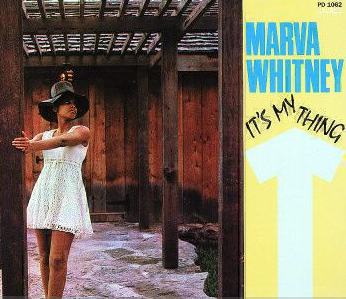
His record " It's my thing" spent seven weeks in Billboard's US R&B Hot 100, peaking at #19 in the summer of 1969 (#82 Pop).Other records like" Things Got To Get Better" and "I Made A Mistake Because It's Only You", made their presence too on the US R&B Top 40.
My favourite are " Unwind Yourself " and " I’m Tired I’m Tired I’m Tired" .
Now she's back with a great band and a lot of news so have a read on this Interview DJ Pari kindly maked me do and have a look at her site on the links section.
love!


Marva Whitney essential Funk 45's


2006
I am what I am P.1 / I am what I am P.2
RDVB-025

1967
Your love was good for me / Saving my time for my baby
Federal, F12545

1967
If you love me / Your love was good for me
King, K6124

1968
Undwind yourself / If you love me
King, K6146

1968
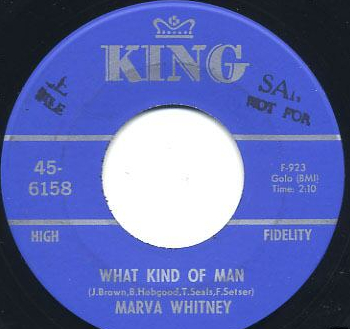
Your love was good for me / What kind of man
King, K6158

1968
Things got to get better (get together) / What kind of man
King, K6168

1968
I'll work it out / All my love belongs to you
King, K6181

1968
I'm tired, I'm tired, I'm tired / If you love me
King, K6193

1968
What do I have to do to prove my love to you / Your love was good for me
King, K6202

1968
Tit for tat (Ain't no takin' back) / In the middle (Instr.)
King, K6206

1969
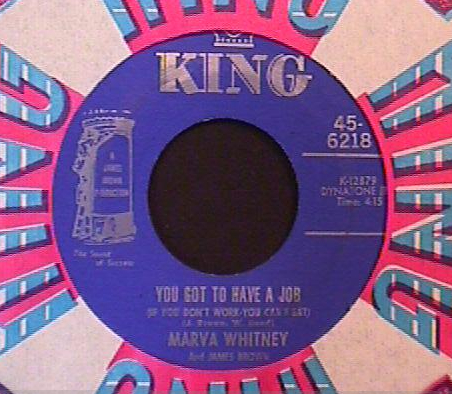
You gotta have a job (with James Brown) / I'm tired, I'm tired, I'm tired
King, K6218

1969
It's my thing / Ball of Fire
King, K6229

1969
Things got to get better (Get together) / Get out of my life
King, K6249

1969
I made a mistake because it's only you P.1 / P.2
King, K6268

1970
He's the one / This girl's in love with you
King, K6283

Labels: , , , , , , , , , , , ,

Groovin' with the Beatles


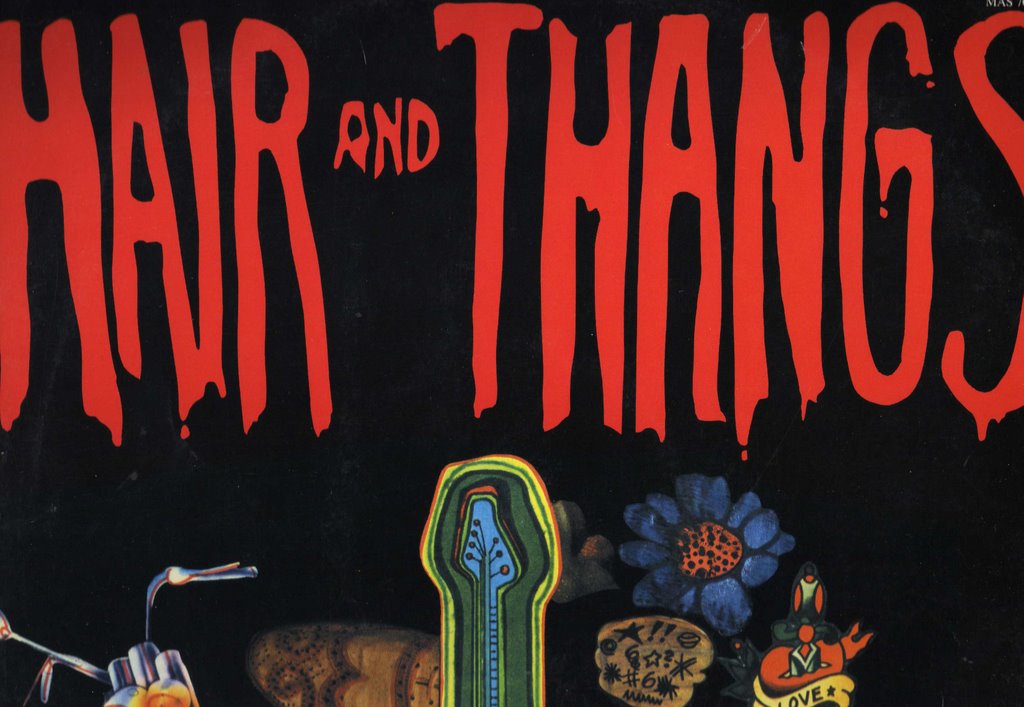
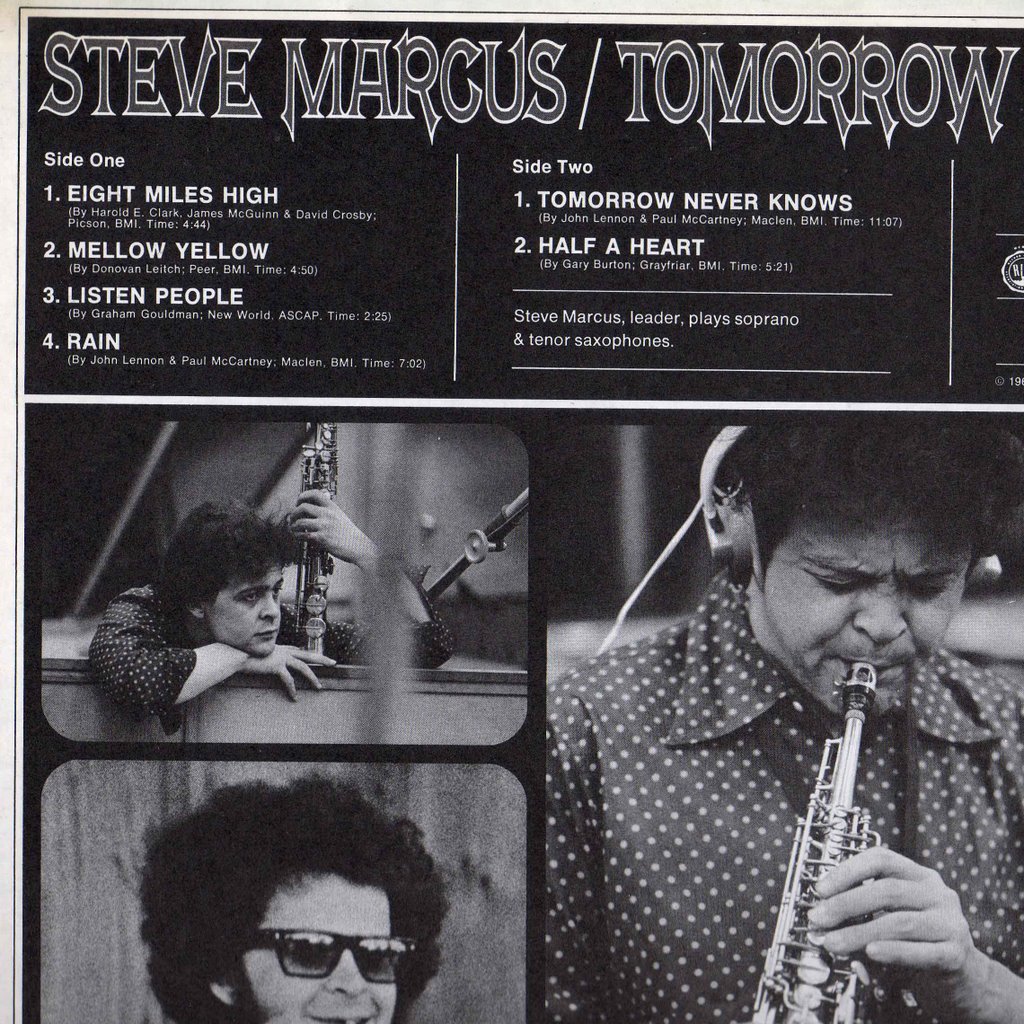
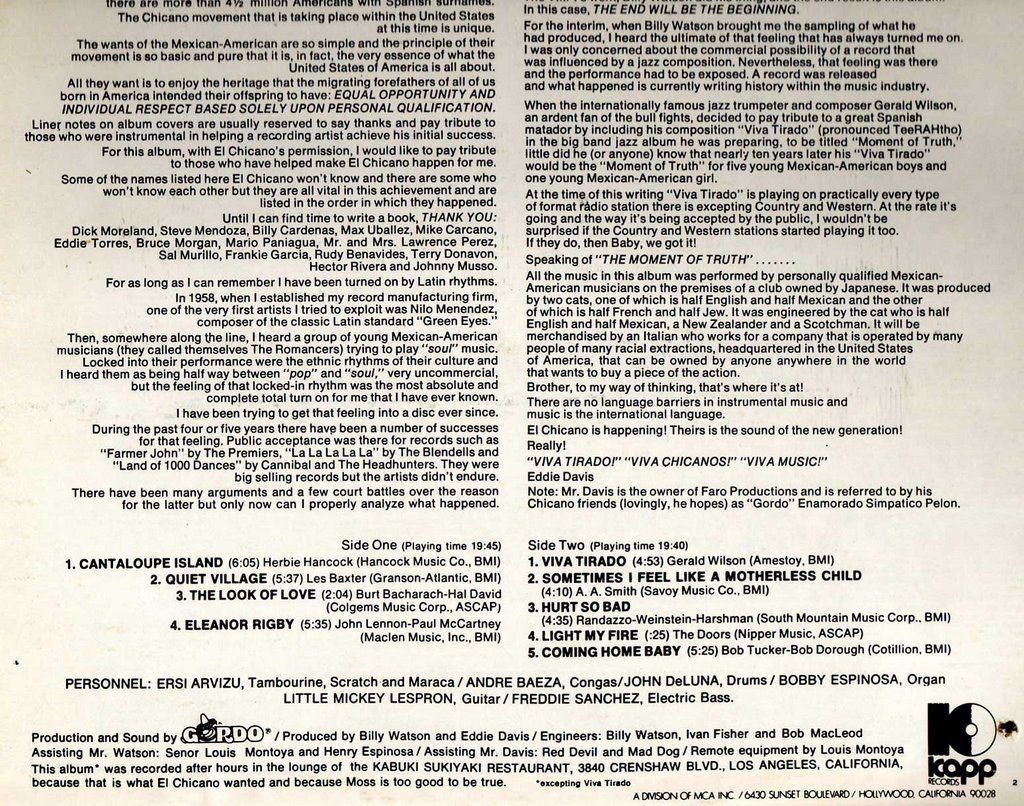
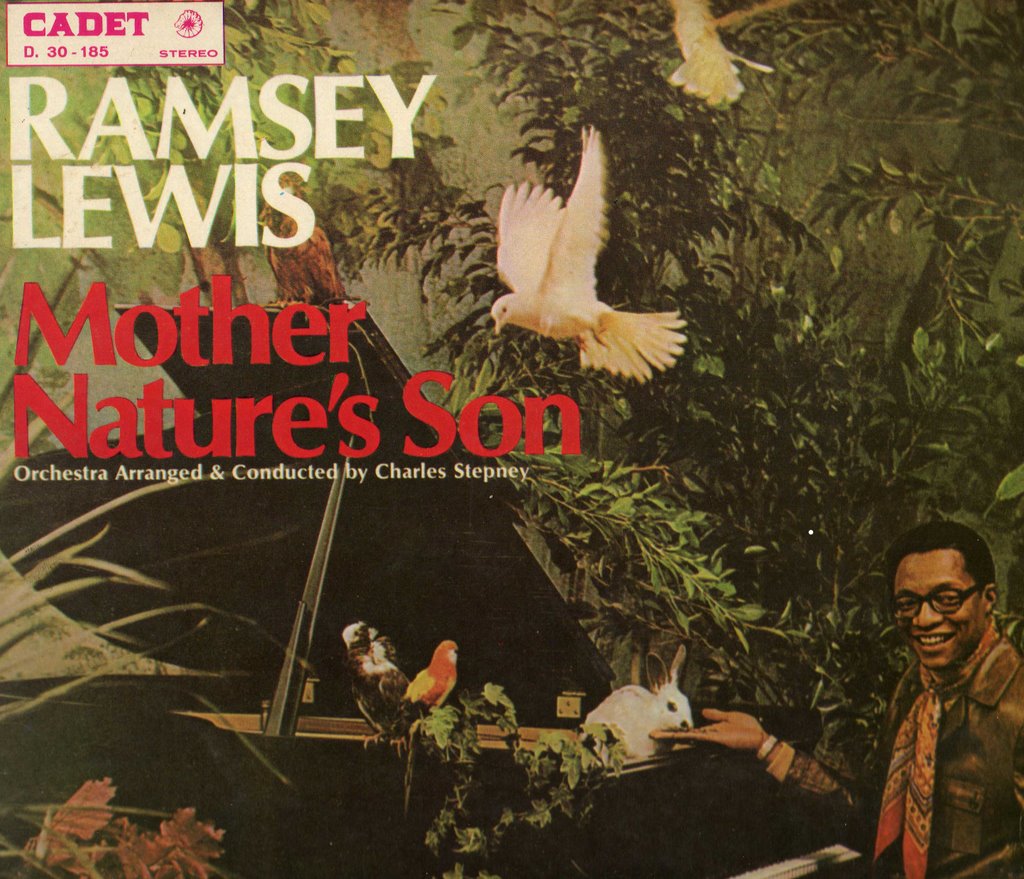
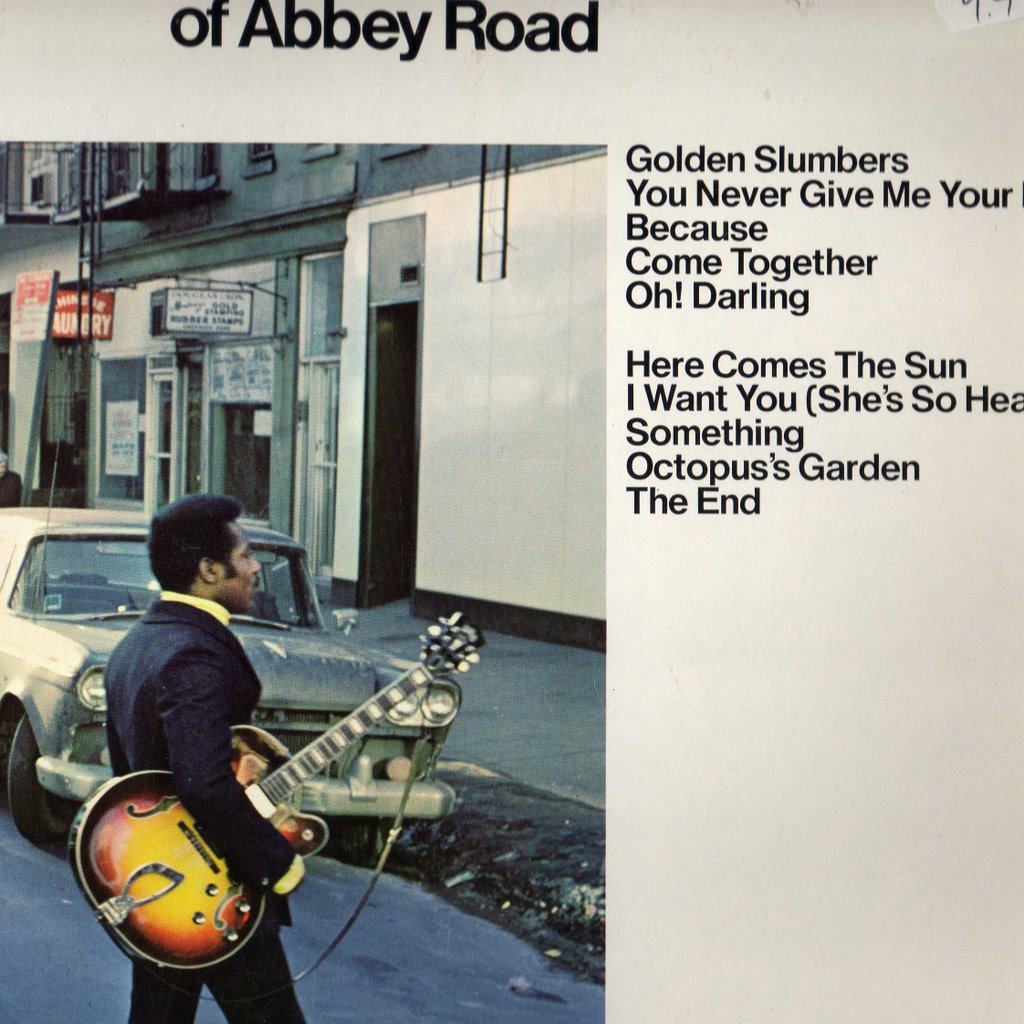
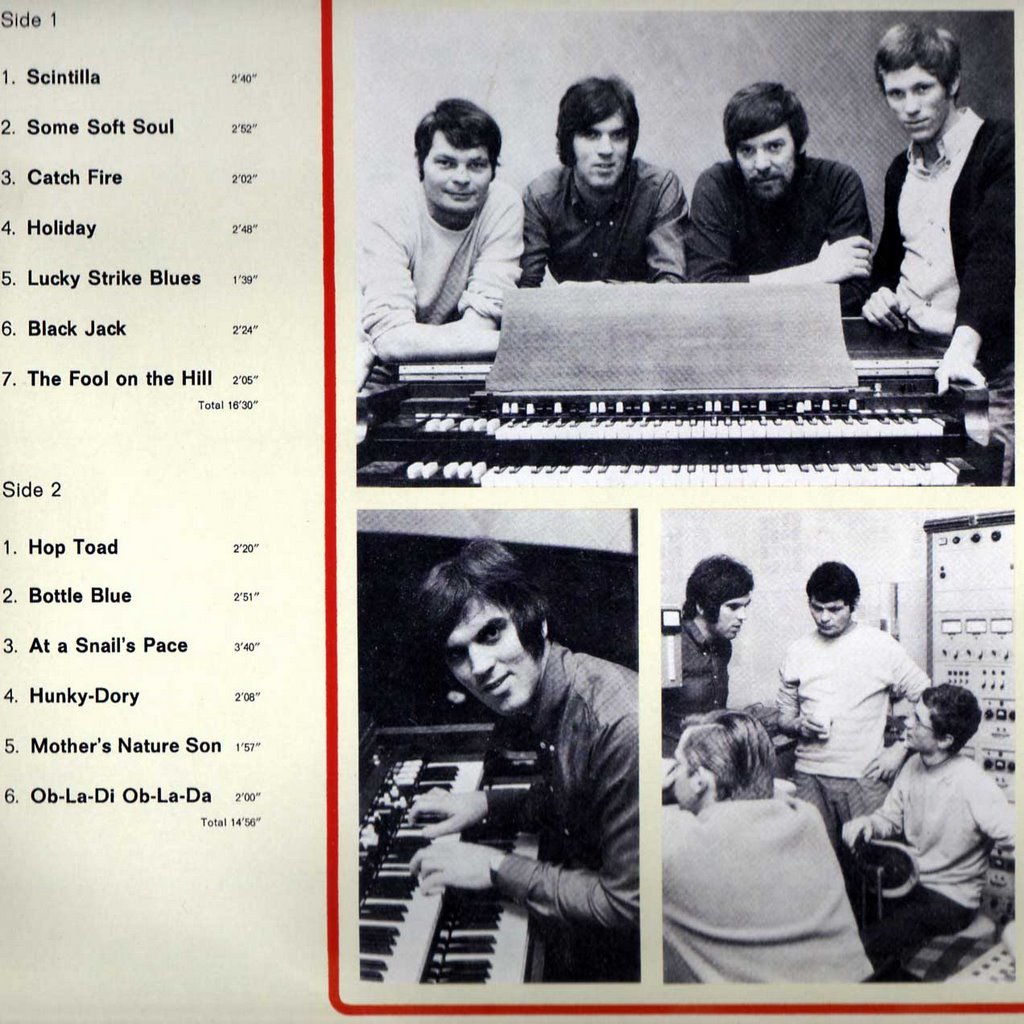
I proposes a look at the more groovy pieces of The Beatles re-interpreted by musicians that, in the 60’s and 70’s, were part of that sound that we all now define as Groovy Beatles! Why The Beatles? Simply for two reasons: above all they are and always will be my favourite band as well as being the ones who opened my mind musically when I was young, in fact I can state that my Karma as a DJ made itself known at the age of six when I used to listen to “Let It Be” (that came out only six years before!). The second reason is that last November 17th of last year “Let It Be” was re-published in its original version, that which the authors themselves would like to have seen pressed. Phil Spector, the producer at the time, remixed unknowingly by them the whole album in an effort to make it less raw and more sweeter, he added angelic choruses and orchestras and created many upsets amongst The Beatles who were close on breaking up, that now, at a distance of 33 years, see again (sadly only Mc Cartney and Starr) published their piece of work just how it was planned at the time! Before closing this Beatles section I want to be precise, once and for all, that “Let It Be” was not their last album that they realised in the studio but was in fact the one but last, even if the last, “Abbey Road”, was published in ’69 and “Let It Be” in ’70. Now, as always, I will list a quick but significant quantity of titles and authors, starting with George Benson, a very famous jazz guitarist, who published an album entitled “The Other Side Of Abbey Road” in which, of them all, stands out the very ‘Soul Beat’ version of “I Want You”. Ramsey Lewis also, another very famous artist, re-proposed with the electric piano that characterised his sound the famous White album in a groovy version, calling it “Mother Nature Son” like one of the pieces of Paul. Ramsey was also a big fan of The Beatles, in fact right from the beginning of the 60’s he proposed many cover versions of the group in lots of his albums. In a precedent appointment that was dedicated to the Sitar I mentioned how The Beatles were the first to introduce this instrument into pop, therefore, what better way, in the swinging sixties, to make a cover of their songs than using a Sitar? Here then is Big Jim Sullivan at work on “She’s Leaving Home” (originally taken from “Sgt. Peppers”) or Lord Sitar who put two pieces on his self titles album, “Blue Jay Way” and “I’m The Walrus”, both taken from “The Magical Mystery Tour”. Moving on to the Hammond organ we rediscover two extraordinary and highly danceable versions of “Get Back” respectively done by Shirley Scott (very jazzy) and the guitarist Dennis Coffey (touching on psychedelic funk rock contained on the album “Hair And Things”). Another great organist, Jimmy Caravan, in his “Look Into The Flower” proposes a great version of “A Day In The Life” in trio where the cacophony orchestra of the original piece, that divided the two ‘separate’ pieces of Paul and John, is substituted by a cacophony organ that gives you goose pimples with the Lesley (for those that don’t know this is a trumpet shaped amplifier that the Hammond possesses, capable of creating an effect like sucking). Rob Franken also, a less noted German organist, proposed his versions of “The Fool On The Hill” and “Ob La De Ob La Da” worthy of noting (they are contained on a very rare record that, however, is well worth looking for). Also Sergio Mendes was another big fan of the ‘fab four’ and, just as you can hear on many of his albums, loved re-interpreting their songs. Staying in South America I will tell you about a wicked version of “Come Together” that has been looked after by the very famous and much sought after Brazilian drummer Wilson Das Neves of whom his 70’s album entitled “Samba Tropi” is at the moment valued at around 250 dollars! El Chicano, a group that was born ‘bad’ like Santana but remained that way, offered us their Latin funk version of “Eleanor Rigby” where the sweetness of the original piece leaves space to a very aggressive Latin beat that is worthy of the most dusty powdered Mexicans! Astrud Gilberto also (an artist that is better known by us) re-proposed “In My Life” (in 1968) and “Here There And Everywhere” (in 1969) including them on her rarest (just for a change) album “Windy” and “17th September 1969”: there is no point mentioning that her Brazilian sweet voice makes these songs even more pleasurable.

Some other titles with Beatles reinterpretations are :

Booker T anbd the MG's Soul Limbo Stax
Ella Fitzgerald Watch whats happens MPS
Shirley Scott and the Soul Saxes Atlantic
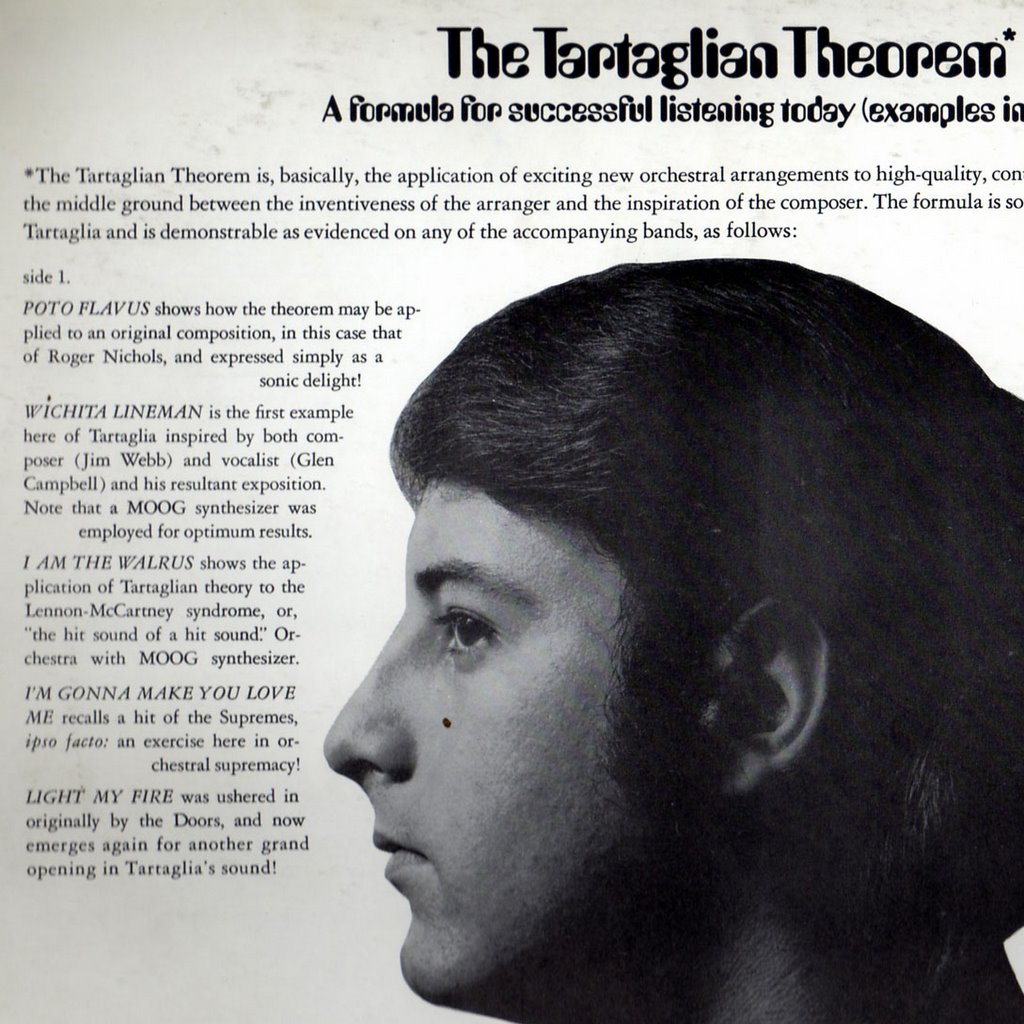
Andrew Tartaglia Tartaglian Theorem Capitol
Ramsey Lewis Mother Nature Son Cadet
Steve Marcus Tomorrow never knows Vortex
George Benson The Other Side Of Abbey Road CTI
The Knut Kiesewetter Train Stop!Whatch!and Listen ! MPS
Mongo Santamaria Working On A Groovy Thing Columbia
Shirley Bassey Something UA
Big Jim Sullivan Sitar Beat Mercury
The Harvey Averne Dozen Fania
And loads more .....

Labels: , , , , , , , , ,

Free Web Counter
Free Counter