Thursday, December 06, 2007

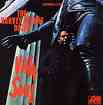
Carlos " Patato " Valdès


I just knew from my Latin friends in America that Patato was not good ...
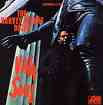
Then i had the bad notice from my friend Harvey Averne that the Great percussion player passed ...
I had a look around to get some infos about Him and I went to see a great article on herencialatina.com.
Nobody could explay better than Herencia Latina , the life , the feelings , the vibe and the story of thig little great Brother !
So I invite you to go there and have a read at this story .
Rest in peace Brother Patato and " beat" them all with your Congas !
Jazzmotel

Labels: , , , , , , , , ,

Monday, April 09, 2007

LATIN LATIN LATIN !


This time, as cold as it is, we cannot do anything less that warm ourselves up with the heat of the JAZZMOTEL… and what could be a Sound that is capable of heating us all? The JAZZMOTEL Latin Explosion! In 1970 Fania Records decided to make a film about Caribbean music, it recorded at the Yankee Stadium live exhibitions from the Fania All Stars, Tipica 70, Gran Combo and Mongo Santamaria… Practically a nuclear bomb went off when the people, who were in many and also very excited, seeing such ‘congheros’ playing together of the calibre of Mongo Santamaria and Ray Baretto in the opening piece “Conga Bongo”, invaded the stage and forced the police to intervene and shut it down there and then! In the end the film was realised by mixing this explosive start with other pieces of film taken earlier in Puerto Rico regarding the Fania All Stars and other artists from the label: there was also released the ‘Salsa soundtrack’ of 1970! Jerry Masucci, the mythical Fania producer, produced it all and, as far as the legend goes, it appears that the term Salsa was born there and then by taking point that these bands mixed Caribbean and Afro-Cuban rhythms along with a New York style culture! Nowadays Latin music has invaded the world, there are Salsa schools everywhere and we can also see a great response from the public to this music, if however we had to do a Latin party by using our Soul Beat records which would be the right ones for the floor and, above all, would Jerry Masucci, Ray Barretto, Eddie Cano and company still be capable of driving the crowd wild? In my opinion yes! Well, let us try and enter into our archive to scribe out a list of Latin Explosives on vinyl! We shall start with Fania itself with that “Acid” by Ray Barretto that was already mentioned in the Soul Beat number entitled ‘Boogaloo Baby’, even if in this case we won’t examine the Boogaloo pieces but just those much more Salsa like “El Nuevo Barretto” and “Espiritu Libre”. Another album that should not be missing in a fiery party would be “El Exigente” by Orchestra Harlow in which there stands out pieces such as “Bee Free”, “Groovin’ The Afro Twist” and “That Groovy Shingaling” without forgetting “Our Latin Thing” by the Fania All Stars that is another monumental soundtrack to a documentary about Spanish Harlem from the 70’s which features “Ponte Duro”, “Estrellas De Fania” and “Descarga Fania”. We could say that all of the albums by the Fania All Stars, starting from “Delicate And Jumpy”, “Latin Soul Rock”, “Live At Cheetah” (Vol. 1 and Vol. 2) right up to the mythical “Salsa” from 1970 (the soundtrack to that cinematic event that I mentioned at the beginning) have all signalled the birth and fuelled the fame of Salsa music! Apart from the vinyl already mentioned I cannot miss out some by Joe Bataan (“Mr. New York & The East Side Kids”, “Riot”, “Subway Joe” and “Gipsy Woman”) that I would definitely include amongst the big floor songs, other authors also, singers and orchestras to point out are surely Justo Betancourt, Willie Colon, George Guzman, Latinaires, Monguito Santamaria, Mongo Santamaria, Johnny Pacheco, Ralfi Pagan and many more! The labels that, apart from Fania, have taken part in the Latin Explosion and that have published songs that are very handy for an explosive Latin party are Speed, Prestige, Palladium, Tico, Time, Capitol / Liberty, Contique and lots of others. In parallel to the Italian Salsa scene, we you mainly hear CD’s of contemporary Salsa music, there are a few DJ’s, especially in England and Japan, who create ‘authentic’ situations with original pieces of vinyl and typically New York 70’s Latin sounds: one of these is Snowboy, already noted for being one of the most requested percussionists in London as well as an excellent Latin DJ! For some time now we have also seen record companies, like Universal Sounds or Vampi Soul, who are, in a high quality way, re-pressing impossible to find vinyl as well as frighteningly good Compilations like “Newyorika” and others. It is now time to say farewell and to remind you that it is now your turn to go into the record shops, or markets, to search for those pieces of vinyl that will help you with your ‘Latin explosion party’, maybe taking some advice from the above mentioned articles by yours truly and JAZZMOTEL! Peace all over the land!

Labels: , , ,

LATIN BOOGALOO


JAZZMOTEL will be ‘boiling with Soul’ and I will take you into that hot but very fresh sound called Boogaloo than Latin Soul. In America this sound was famous between 1966 and 1969 and was the first contemporary Latin form that got the attention of a vast public that were a bit tired of the usual Cuban, Mambo and Cha Cha rhythms. Boogaloo, thanks to its Funky sound, was liked above all by the Afro-Americans, it was a highly successful fusion because it also ‘involved’ people that, in the past, never knew Latin music. It is said that the genre in question was born out of the interaction of the Afro-American dancers with the Latin musicians of New York who played in the clubs and night clubs of that period. People such as Joe Cuba say that this sound had a very explosive and stinging tone, to the point that pieces like “Bang Bang!” were created to shake up the dancers and, above all, stimulate them because they were no longer responding to the more classic Latin sounds, no, they were looking for something innovative. Many Latin musicians were also influenced by R’n’B and Jazz, and they therefore created a sound that, quoting various critics and musical historians, became a true milestone of Latin music, also because it came up during the high point of the Charanga popularity and just before the Salsa explosion! It was probably Joe Cuba who at the time gave the input (followed by all those who were playing Latin music in New York like Ricardo Ray, Ray Barretto, Pete Rodriguez, Joey Pastrana, Eddie Palmieri, etc.) and that, with this music, managed to create a meeting point between Puerto Ricans and blacks. Boogaloo didn’t have its own specific dance but like other genres of the 60’s it gave the opportunity for you to move freely and, seeing that all the ballroom floors were made of wood, pirouettes and jumps were the nights attraction. When reading your mail I have understood that you are interested in knowing also the names of the musicians (and relative titles) who started off the various sounds, I will get straight onto it by citing the classic “Bang Bang Push Push Push!” by the Joe Cuba Sextet (quite possibly the inventor of Boogaloo?). Instead, my favourite is “Hard Hands” by Ray Barretto (where you can hear the wonderful “Love Beads”), then there is “Acid”, another Barretto, that contains the classic “Soul Drummer” or “Mercy Mercy Baby” (distinguishable by the bassline riff that was sampled by Mighty Bop during the trip hop era). For those who really want to flip out I would recommend two masterpieces that are very close to R’n’B: I am talking about “Land Of Love” by Moon People and “Take A Trip Pussycat” by the Latin Blues Band (a pseudonym of the same Moon People), albums (recorded in 69 on the obscure Speed label) that are really fantastic and indispensable in any respectable collection! Another great interpreter of this genre (and also classic Latin soul) is Joe Bataan who, thanks to his “Subway Joe”, “St. Latin’s Day Massacre” and “Afrofilipino”, became known all over the world. Not to be missed also is “Let’s Get Down To The Nitty Gritty” by Riccardo Ray because it re-produces pop pieces like “Sookie Sookie” and “Mony Mony” (here in a Boogaloo version that is very rhythmic and danceable). Now I will mention some labels on which have been recorded some splendid Boogaloo albums: probably the biggest of them all (as far as New York Latin music is concerned) is Fania, I will also mention Tico, Allegre, Nike, Speed, Mardi Gras, Double Shot, Omega, Polydor and, also, King of James Brown… yes because also some of the Funk and R’n’B stars have been taken over by their rhythms that later came back revisited by or has influenced artists who in turn were contaminated! The James Brown piece most influenced by Boogaloo is “Shhhhhh For A Little While” where the author, something very rare, doesn’t shout out and sing but instead plays the Hammond… Well, if you come across it buy it because in my opinion it is one of the nicest pieces from Brown… maybe even the best! It is now time to say goodbye and invite you to write to me, especially if you have any questions or would like to have further info about the very vast groovy world of JAZZMOTEL.

Labels: , , ,

Sunday, December 10, 2006

Interview to Brian Auger


Im proud and excite to introduce to you another of my chats with a great Organist and Pianist that need no presentation ...Brian Auger , his Organ style groove us from the 60's till now !
Trinity , Oblivion Express , The Steampacket and all the London scene !
I hope you enjoy this interview i did .


Whats you favourite Bands and your musical tastes in the beginning and now ?


My Favourite bands early on were Art Blakey's Jazz Messengers, Miles Davis, John Coltrane, Blood Sweat & Tears, Steely Dan, Yes, Led Zeppelin, Mothers of Invention, Herbie Hancock Quintet, Aretha Franklin, Donnie Hathaway, Stevie Wonder, Marvin Gaye and many many
more.
Today Tears for Fears, Brand New Heavies, Incognito, Jamiroquai, John Mayer, Coldplay, Foo Fighters, Down To The Bone. etc etc.


Can you tell me about when you decide to move from Jazz and Piano to join Organ and R'n'B ?


I switched to the R&B/ Rock scene in 1964 and bought my first Hammond Organ in Early 1965. I have not left the Jazz Scene and I incorporate much Jazz in my music, and play on many Jazz Festivals. I also never left the piano and still play piano pieces every night on tour.


Flamingo Club in London was one of the many Clubs in where you played , how was the Club vibe in the 60's , which were the Sound of that period .


The three most influential clubs in Central London in the 60s were The Ronnie Scott Club ( strictly Jazz, and still going), The Flamingo, (home of the R&B organ based bands) and the Marquee Club ( home to Jazz, Blues and the new pop bands like The Who, Spencer Davis Group, The Steampacket, The Move etc etc. As one of the only musicians that played in all three clubs, always liked the Flamingo for its mixed audience of English kids, West Indian fans and American soldiers and airmen who came into London on the weekends. This was a dancing audience and had the best atmosphere.


I saw an Auger Driscol Compilation called " The Mod Years " , whats your relation with Mods ?


My connection with Mods began in the Steampacket. We wore tailored suits and Carnaby Street clothes and the public called us Mods for our "modern Style of Stage Wear'. Indeed the unknown Rod Stewart who really started his career in the Steampacket became known as Rod the Mod.


What you remeber about the Steampacket period and Long John Baltry , Stewart and Jules ?


Steampacket was a great group. The first Supergroup. Unfortunately there were three managers, one for Baldry, one for Rod and one for myself and Julie. This caused a lot of problems and we never got to record properly because we were all on different labels. The only tracks available were pirated.


Then the Trinity with Auger and Driscoll in '66 , "Open" in '67 and so on , did you get the feeling to be starting a group like that ?


At the end of the Steampacket, I already knew that I wanted to start a band that would be a bridge between the separate scenes of Jazz and Rock. I wanted a rhythm section that could play funky R&B + jazz and I wanted to put Organ Solos on that base using my Jazz Harmony chords and with a positive vocal message. This was the Trinity, the first band of its genre to headline the Montreux Jazz Festival , The Berlin Jazz Festival, The Rome Jazz Festival , and all in 1968 with our first album OPEN and our single SAVE ME.


How did you define the Trinity Sound and how the Oblivion Express sound ?


The sound of the Trinity and the sound of Oblivion Express were pointed out in the recording studio. I simply tried to make sure that everything that was played by each musician was clearly heard, and a little reverb was added. I am not a Phil Spectre who is trying to create a particular sound to every one of his recordings.


When and how you decide to form the Oblivion Express ?


After the Trinity broke up in 1970, I really wanted to push the musical envelope and develop the Jazz Fusion music that I had started.
As this meant that I would be going against the wishes of the record company who wanted more and more commercial music, I thought I was going the quickest way to Oblivion,( Oblio) so I called the band The Oblivion Express, (Il Rapido a Oblio). We are still going, but now with my Daughter Savannah on Vocals, and my son Karma on drums. This is the happiest Express so far.


I know you played a lot in Italy and also that you speak Italian , tell me something about your Italian side .


I first came to Italy as a student when I was 16 years old and instantly loved Italy and the Italian people. In 1967 I came back as a musician to play in a club in Milano and met my wife, who is from Cagliari Sardegna. This was the best thing that ever happened to me.I already had studied French and Latin at college, and Italian came easily for me. My connection with the Italian fans grows stronger every year, and I sent my three children to study in Italy so my whole family speaks fluent Italian.


Can you tell me something special , a funny thing or a story about your B3 ?


My Hammond B3 in the USA, originally was built in London England, but when I moved to the US, I had to install an American tone generator in it. So it is the only Anglo American Hammond that I know about.


Whats your future plans ?


My future plans are to play live with my band until I leave the Planet.

Labels: , , , , , , ,

Sunday, November 26, 2006

Our Latin Thing featuring Fania all Stars film review


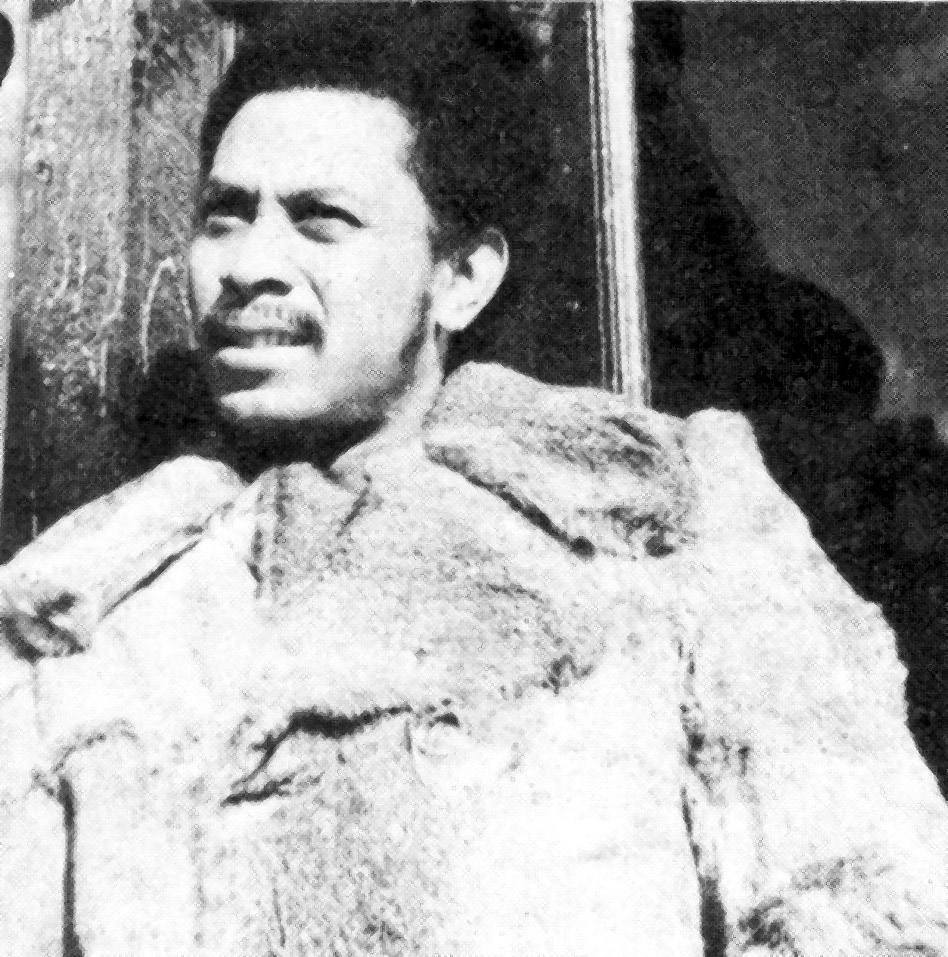
A few kids playing on a rooftop in Spanish Harem and one of them, to the sound of the Wah Wah Rhodes of “Cucinando” by Ray Barretto, leaves the group and begins to run. Through side streets, avenues, right up to a wall where you can read names written in a 70’s style Street Graffiti, names like Ray Barretto, Larry Harlow, Willie Colon, Ismael Miranda, Jerry Masucci and Ricardo Ray as well as the title “Our Latin Thing”. As many of you have already understood this month I want to talk to you about a documentary by Leon Gast of which the theme was the Hispanic music phenomenon in the ghettos of Harlem at the beginning of the 70’s. Thanks to Vampisoul, a Spanish label, it is back onto the market (in a DVD version) called “Our Latin Thing, Nuestra Cosa” and offers all of us lovers the possibility of seeing and tasting the ‘authentic’ story of Latin music, something with contaminations from Africa, Cuba, Puerto Rico, Jazz… well, ‘hybrid music’. Vampisoul is, and always has been, one of the more attentive labels in its selection as well as specialising in the distribution of lost tracks from musical styles such as Latin, soul, funk, r’n’b and groove from the 60’s and 70’s because it sources out and represses excellent taste pieces of vinyl of the highest quality. To note also that this label has brought back onto the market, after 20 years, one of the symbols of Latin Soul, ‘The Ordinary Guy, Mr. New York’ Joe Bataan with his newest incredible album entitled “Call My Name”. Getting back to New York though… The principal protagonists of this documentary-film are the Fania All-Stars come along with those people who at this period in time were and integral part and daily ‘animation’ for Spanish Harlem in New York. Jerry Masucci, boss of Fania (a leading label for Latin Music) and Larry Harlow (‘El Judio Meravilloso, The Wonderful Jew’, one of the musicians, better still, the musician that brought Salsa to the whole world) wanted this film to realise a project that had been going ahead for some time: to spread the Latin culture throughout the world. As I said before, to realise this film, filmed in New York in 1972, they called on Leon Gast who was probably the only person capable of collecting together the whole essence of everyday life and transforming it with a touch of cinematic sense. The film starts off with a rehearsal inside a ballroom where the Fania All-Stars are trying out there songs on a few spectators, amongst which two very cool dancers. Between some improvised interviews with Ray Barretto and a cut to some kids who were banging tin cans as though they were conga drums, you could already make out the documentary taste of Gast. The street scenes are also very present: a slightly beat young man with another slightly drunk walk alone in the streets improvising a ‘few moves’ with a passing young lady; the percussionist Ray Barretto as a make believe ice cream man breaking up ice to make ice pops for the kids; the people are gathering in the streets to hear the Harlow Orchestra with the singer Ismael Miranda playing their latest song Proto Salsa directed by Larry Harlow and his electric piano. To note that the Harlow Orchestra played on the steps of one of those classic households in Harlem between rubbish bins and people who were shouting out. After filming a clandestine cock fight in a kind of basement as well as a kind of African or Voodoo rite beneath an underpass, Gast goes back to the ballroom where the Fania are ready for the announced concert with its very eager Hispanic-American audience. “Estrelle De Fania” and all of their pieces of the moment are played including trumpet solos, conga drums solos, Latin choruses and couples dancing or others on their own making moves that would make any modern day Salsa maestro jealous. Trumpets and trombones together, as the rules of the Harlow Orchestra or Johnny Pacheco state, looking after the orchestration of the band (an orchestration that was taken as an example by all Salsa groups in the future). All this as Larry Harlow made me understand initially cost 5000 dollars, almost a years work leaving very little pay for the artists, it was however very important in other ways: it sent Salsa as well as all of the Fania artists into stratosphere making the Hispanic community famous and respected throughout the world.
Thanks to Vampisoul for gave me the Video .
Labels: , , , , , , , , ,

Thursday, November 23, 2006

Interview to Larry Harlow


Larry Harlow is a master legend of Latin music we now call Salsa. He began studying music at the age of 5, following his father's footsteps. He studied at the most prestigious music schools. During mid 50’s, he was so fascinated by Latin rhythms that he travelled and lived in Cuba to study the real Afro-Cuban sound that became known as "Salsa". As an expert "Salsa" artist, he returned to New York to develop his own style and orchestra and later to help create the internationally famous "Fania All Stars" group. While a member and producer of the Fania All Stars for fifteen years, Larry Harlow was not only a recording star with 30 solo albums and 15 with the All Stars, but also a producer of over 160 recordings for other artists.


You grew up in Spanish Harlem. Is this the reason you got involved in Latin Music?
I grew up in Brooklyn, went to high school in Harlem and was first exposed to Musica Latina there.

How important was the decision to go to Cuba in the late 50’s to learn all the principles of Afro Cuban Music right up to the Popular Dances, and how did it influence the formation of your own Latin Style and Salsa too.
Went to Cuba on a Christmas vacation in 1956 for the first time with Mambonicks Kids who were into Latin dancing and music.

Then you formed your first band?
Started Orquestra Harlow in 1964 after several trips to Cuba and years of playing as a sideman with various
bands in NYC area.

What were your first musical influences?
Joe Loce, Noro Morales, Early TP Piccadilly boys and later the big band, Machito and all the Jazz greats.

How did it come about that a not-Latino, became the most important man in Latin Music?
I got very good at what I do. Created new, fresh ideas and developed young artists for recordings. I also studied audio engineering and became a prolific producer of Latin recordings.

Everybody knows you for your six golden records and your four Billboard awards: Pianist of the Year, Latin Producer of the Year, Concert of the Year and Arranger of the year. You are also well known for being the first Latin Music artist to use psychedelic lights at your concerts, adding a completely different element to the scene. I really like this thing. Can you tell me something about that?
When it was in to be psychedelic, I made a light tower that was portable and taught a young guy how to operate them. Wrote a song about them and it kept us working for about 2 years. I also was into the whole ear as well as clothing and drugs.

What are your memories of your experience of the Fania period?
Everything!

You play a lot of instruments like Oboe, Bass, Flute, Vibraphone and of course the Piano, was this important to the Latin Sound change that you introduced, trombones playing together with trumpets, a sound that everybody copied later on?
NO, I just wanted to have a different sound. No one had utilized the trumpet/trombone sound before in a salsa format. Today it is standard.

You were one of the creators of the Fania All Stars and together with this band you released 15 LP’s. How did the creation of the band come about?
Well I did not put the band together, Pacheco did that along with Masucci. The idea of an all-star band and a movie to promote them was mine. The formula was simple: Bandleader / singer / sideman from each of the main Fania orchestras.

Can you tell me something that no one knows about the “Our Latin Thing” film project? Some out-takes or some little known moments.
There are hundreds, we worked for one year, Leon and myself, razor blade cutting by hand, the first Fania film, no one made any money but we had a lot of fun and all became stars because of this film.

What does it feel like to play in front of 80,000 people who know "Lucumi" music, what is the archetype of Mambo / Salsa music?
Unfortunatly the public in Zaire were not into the "Lucumi music scene". The tourists were there for the fight and we were there to entertain them. The experience was awesome and seeing Africa for the first time was wonderful especially performing and mixing with all those great musicians and entertainers for 10 days.

Tell me your impressions of the 3 day concert in Africa, about James Brown, the Jazz Crusaders and Mohammed Alì, what were your feelings?
It was the experience of a lifetime. Not only the music but to hang with all those great stars and get to know them. Even with Ali and Foreman, who knew that Bundidi Brown was a great stride piano player, we spent hours together and to visit the Presidential Palace and museums were wonderful.

What do you think about the younger generation now looking for your 60’s and 70’s albums and 45’s to play them, not in Salsa and Soul clubs, but in R’n’B clubs?
I think it is great that another generation is using the genre for something.

What do you think about the fusion between Funk and Latin music in the 70’s? Did you ever experiment with Latin Funk?
Had a band called Ambergris in 69-70 signed to Paramount records that combined Latin and Funk. Was a passing fad.

What do you think about today’s electronic music using samples of 60’s and 70’s Latin music to create a new evolution of Latin Sounds?
I hope they don’t forget to send a royalty check… Not my cup of tea.

Do you have any plans for the immediate future? Albums, tours, films, works?
I will do Hommy opera again in Puerto Rico with different singers and some new music. Playing some Latin Jazz lately, producing some new artists and experimenting with video conferencing music programs to universities around the globe.

Labels: , , , , , , , , ,

Sunday, November 19, 2006

Interview to Harvey Averne


I wanted to have a chat with one of the most refined arranger , composer and musician of the Latin music scene from the 50's till today in New York and the rest of the world .
Harvey Averne create the mix of Latin music together with Soul , Funk and Rock now called Latin Crossover .
His track are researched , collected , compiled and spinned by the most Groovy DJ's from the today 60's scene .
He never liked to be on front so theres no so many information about him , thats why i wanted to know more .
I discovered a great artis and a great man and friend!


You are known as the musician that combined Soul and Rock with Latin music, maintaining, in the process, subtle and refined arrangements. How did you obtain such results?

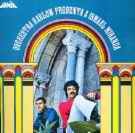
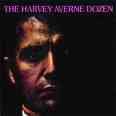
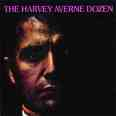
Growing up and living in New York city, which is also known as the great melting pot, I was exposed to latin music at 8 years of age,along with pop and soul, rock came later. Mixing all the elements I love together while keeping the feeling natural & logical was the chalange. Marty Sheller used to play trumpet in my salsa band ( Arvito band) which played pure salsa only, I never wrote an original song or recorded with the Arvito band. We would copy arrangements from records IE: Tito Puente, who was my biggest influence, Cuban recordings etc. Larry Harlow, Eddie Palmieri, Louie Ramierez and many great and talented musicians all played in the Arvito orch. So I guess I had a good eye for talent from the very beginning. The Arvito Band Played dances and clubs including the world famous "Paladium" with all the great latin bands of the day( 1953 thru 1965 . I played vibes & was the band leader. Arvito ( spanish sounding for little Harvey, originally " Harvito" but the" H" was dropped because "Arvito" sounded more spanish. In the late 60s when I started recording for Fania I wanted to combine the all elements to appeal to all audiences and the Harvey Averne Dozen was born. the majority of the arrangements and ideas were in the very capable hands of Marty Sheller, I gave him some ideas, but he understood whatever concept I was cooking up at the time and needed very little guidence, he made it very easy for me. He was my go to guy for all the different" Harvey Averne bands".

You music is often described as Latin Crossover. What do you think?

Yes thats what i was trying to do.

Many of the tracks on your first albums are Pop and Soul covers from that period. What were your musical tastes?

All of the above, salsa, soul, rock, but especially the Beatles, & Sly and the Family Stone,
That is why I always did instrumental versions of thier songs on all my albums but in a very different, highly stylized way, ala the "Harvey Averne Dozen" style which was very original and like no other recording of their great material.

I know that you play the vibraphone and the piano as well as having a fantastic voice. How much has the fact that you
are a musician influenced your career even though you are a producer?

I was never very comfortable performing on stage which is why in 1972 I stopped making the " Harvey Averne" recordings altogether. I was the leader of the " chakachas " in 1972 ( Jungle Fever) which sold over 2 million, we played the Apollo theatre 4 times in 1972 and I was offered to be the head of United Artists Latino lable, I sold my instruments and retired from the stage. I guess I loved Composing, Producing, Mixing ( my love ) promoting, discovering and developing new talent, much more than performing. So to answer your question ( I bet you thought I forgot ) It taught me how to communicate and get the best out of everyone who comes into the studio to work with me.I demand more from talent than they have ever experienced,or gone inside themselves to give before, while I give tremendous freedom and want them to take chances. Remember I fired myself from performing and recording, so YOU better come to workout for me or you know what will happen ( It's not so easy to explain to yourself, when you look in the mirror in the morning, why you got fired by your own self. I love my recordings, but I think the least important element in their success was my playing\performing which did not make me so happy, but in a way limited me. As a producer I work with every facet of the recording, I find this much more important and satisfying.

Marty Sheller, already having arranged for Mongo, worked on a few of your albums. How did the arrangements come about? Was it a two way collaboration or did you occupy yourself with the writing and he with the arrangement?

As I said above the arrangements were the genius of Marty Sheller. We would talk about what was the idea for a song, and Marty would go and make it a much better idea.

You have produced a few of the most sought after albums of Latin Soul - Latin Funk and Boogaloo such as "Camel Walk" by Latinares"or "Cortijo and his Time Machine", right up to
exceptional works by Eddie Palmieri such as "Un Dia Bonito" or "Puerto Rico" and many more. Tell me about your work as a producer.
My best work (for me) has been as a Producer ( which is exactly the same function as a Movie Director, which title was used long before the record business started calling us Producers). A Producer in the movies handles the financing which in the recording industry is the domain of the record company who has the Artist I was hired to Produce under a long term contract usually. My work includes the following, album concept, casting and hiring everyone on the project, directing all performances, which is pretty easy work, because I only work with the very, very, best and get them to suprise themselves and me, because they give me more than their talent, they give me their heart and soul, which you cannot buy for money ever. And after I and everyone is totally happy with their performance. I go into the studio, always alone, to mix, fix, polish,and make love to this beautiful work of art and after hundreds of hours of creating this little masterpiece, I apoligize to the goddess of music for fogiveness, because I have done the best I am capable of doing, and then and only then is the product offered to the public.
I'm very curious about the term "NewYorican Sound". What
does it mean? Do you feel a part of it? " Nuyourican" is a term used to discribe a Puertorican born in New York, not on Puerto Rican soil. To me the New York Salsa is totally different from the mas tipica salsa from the islands of Puerto Rico or Cuba. I have worked with some of the best from Cuba IE: Jose Fajardo, Celia Cruz, Orquesta Broadway, La Lupe, etc. From Puerto Rico IE: Cortijo, Ismael Rivera, Lalo Rodriguez, Danny Rivera and many more. And from New York : Eddie Palmieri, Ray Barretto, Larry Harlow, Hector Lavoe, Willy Colon, Ismael Miranda, Machito, Tito Puente, and many, many more. The sound from Cuba and the sound from Puerto Rico is very different from the New York salsa sound, which is a harder, stronger, swing, if you listen closely, you can hear the taxis & the car horns blasting, and the busy pace, and the tall buidings & the cement streets etc. as in Eddie Palmieri's music. Or life in glorious Havana, back in the day, when you hear Celia Cruz con La Sonora Matancera, or Jose Fajardo, or Orquesta Aaragon, or from Puerto Rico: El Gran Combo, Cortijo con Ismael Rivera, Lalo Rodriguez, Danny Rivera, Frankie Ruiz and many, many,many more. You can hear the palm trees swaying, and you feel the island breeze, and as soon as you get off the plane,you notice that the music is in the air. You ask me if I feel a part of it??? My friend Alessio, all Latin music has and is my life, my heart, my soul, mi sangre, without it my life would not have had any meaning at all.

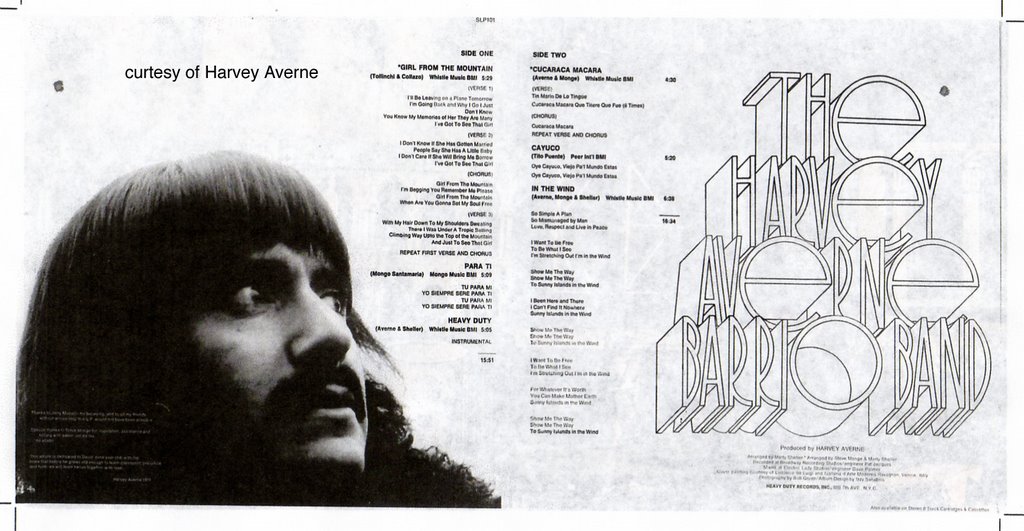
You have recorded for labels, well-known and not so well-known, such as Atlantic, Fania or Heavy Duty. Each album is quite different but always maintaining the typical Harvery Averne Sound.
Which label has given you most space for experimentation?

I have been very lucky and from the first Atlantic recording which was originally recorded for Fania, I have always had complete creative control and freedom, and for that I thank Jerry Masucci from fania, Jerry Wexler and Arif Mardin from Atlantic, Mike stewart and Mike Lipton from United Artists, Morris Levy from Roullete and Tico, etc. But my best work was for my own company "COCO RECORDS " because it was my money on the line I could follow the production with a specialized promotion to the media, radio, clubs, public etc . the participation from the signing of the Artist to the release of the album and everything in between was amazing & the results were awesome.

Personally, I discovered you after the release of "Heavy Duty" on Acid Jazz records in 1994, after which I began to look out
for you. What do you think of the rediscovery of bands and sounds by new labels and the consequent rebirth of the sound of the 60's and 70's?
Acid Jazz has never given me a royalty or any money since the mid 90s, I like the exposure, but one of these days I will sue their ass off!!! I still own heavy Duty Records and the "harvey Averne Barrio Band" album and the "Toro" album and they are still available for license in some countries, including Italy, England, France, Japan, and others.

Your vinyl records are sold at auction and are quite rare. What was the distribution in the 70's like? Was there much call for that type of music?

Not as good as now. France, French speaking Africa, Spain, were the most important in Europe. on a lesser level Italy, England, Holland etc. Of course South America, Carribean, and USA were the strongest.

What are you doing now? Productions? arrangements? What are your plans for the future?

I am the President\Ceo of a new Reggaeton company, with two partners, Alex Masucci and a wonderful young talented producer of hip hop & reggaeton Willy LA Fama. We are finishing a tribute reggaeton record inspired by my dear friend Ray Barretto's monster hit of the 60s "El Watusi".

Just recently Ray Barretto passed away. You knew him, whatmemory do you have of him?
I Produced his 1st. album for Fania Records "Acid" a monster classic. he was a great artist, congero, composer, person,. He did more for JAZZ groups using conga than anyone who ever lived and his SALSA recordings are his legacy. He will be missed and never replaced or forgotten, one of the most important artists in salsa history.

Labels: , , , , , , , , , , ,

Monday, November 06, 2006

interview to Joe Bataan


Joe Bataan begins his musical journey in the 50's, he forms his first band in 1965 and in 1967 he begins to record for Jerry Masucci's Fania Records label, the most important Latin Music label. Later he co-forms the Mericana/Salsoul which brings us up to his last record in 1979 "Rap-o Clap-o" which forestall the Rap movement. Raised in Spanish Harlem he frequents Porto Rican gangs and he refines his Soul with Afro-Cuban, R'n'B, and Afro-Rican influences.In the 60's, during the Boogaloo explosion, he creates Latin Soul which later became Latin Funk and later, in the late 70's , Latin Disco .The characteristics of his Street Latin Soul remains that of always wanting to tell the stories of the streets. "Ordinary Guy", "Gypsy Woman", "What Good is a Castle", "Under the Street Lamp" and "La Botella" ( latin version of the great Gil Scott Heron's "The Bottle"), are some of his hits!And now, after 20 years, Bataan returns with "Call My Name", an album, once again recorded in New York for the Vampisoul label, in which we seem to have been transported back to the 60's.


What do you remember about the Porto Rican gangs experience in the New York's Spanish Harlem?

The Gangs of New York were The Victory's, the Cahaplains, Red Wings and the Dragons of which I was a member and much later the leader in Spanish Harlem. Each gang dressed differently and lived in separate areas of New York. There was a code of honour where no one told another gang member his business and gang members had control of their neighbourhoods.

How did you start thinking about the way to put together Latin and Soul Music?

After listening to Show Musicals, Rock and Roll and RnB I got the idea to fuse Latin with English lyrics as an experiment. I listened to Joe Cuba, Hector Rivera and Pete Rodriguez and was inspired to do the same. Only difference was that my style had stories of life in the streets and much of my life was involved in my songs. This is why I became a street singer.

What were your favourite bands you used to listen to?

My favourite bands were Eddie Palmieri, Joe Cuba, Tito Rodriquez and Tower of Power.

Jerry Masucci was very important for you, tell us about the Fania period.

Jerry Masucci was very young and was not afraid to take a chance with my ideas. Eventually I outgrew his label and I’m still trying to collect money this company owes me.

How was the relationship with other Fania musicians like Barretto, Larry Harlow?

I got along with these musicians but you must remember my style of playing and my music took me in different directions internationally and spread my name worldwide. I was an artist that brought a unique style of music to the world that is very different than the rest of these musicians of Fania Records.

Tell us about the Mericana and SalSoul period.

Mericana and Salsoul Records were my creation, I sold the interests of Salsoul very foolishly after I created the name Sal for Salsa and Sol for Soul. I was very successful with these labels and was the first artist to build this dream of a company. This company also did not live up to their agreement and I am in position to collect much money they owe me with the help of God. However this was an exciting period for me because of Rapo Clapo and the international success I got.

What do you think about this Salsoul music rebirth?

The Soulsoul rebirth is good for everyone including me, finally I will get a chance to be heard around the world and the public has a chance to hear my full collection of music of over forty years.

Tell us about the way you came back to all your fans with the new album "Call my name"

God has a plan for Joe Bataan and it is to spread his name and my music, will reflex my sound and the chance I am getting to do some good with my music. Of course this is an exciting thing that’s happening to me. Not many people get a second chance in their lives, I already had over twenty. Now it is time for me to pay up for my blessings.

What do you think about today’s electronic music which makes use of samples of Latin / Brazilian music?

All music is good and we should always find avenues to experiment. This is what makes music an exciting art form. I love Brazilian music.

What are your future plans, will there be a tour, new projects, are you coming to Italy?

I believe they are arranging a tour in Italy and Europe. I have another album to be completed in the summer called "The Message" and I’m looking for a record deal with Vampisoul or anyone that may be interested in Joe Bataan.

Labels: , , , , , , , , , , , , , , ,

Free Web Counter
Free Counter