Thursday, January 29, 2009

interview with Antonello Vannucchi I Marc 4

Jazzmotel, after many interviews with European and worldwide jazz legends, returns home to Italy and begins a series of interviews with legends of music for film and library music.

Interview with Antonello Vannucchi.


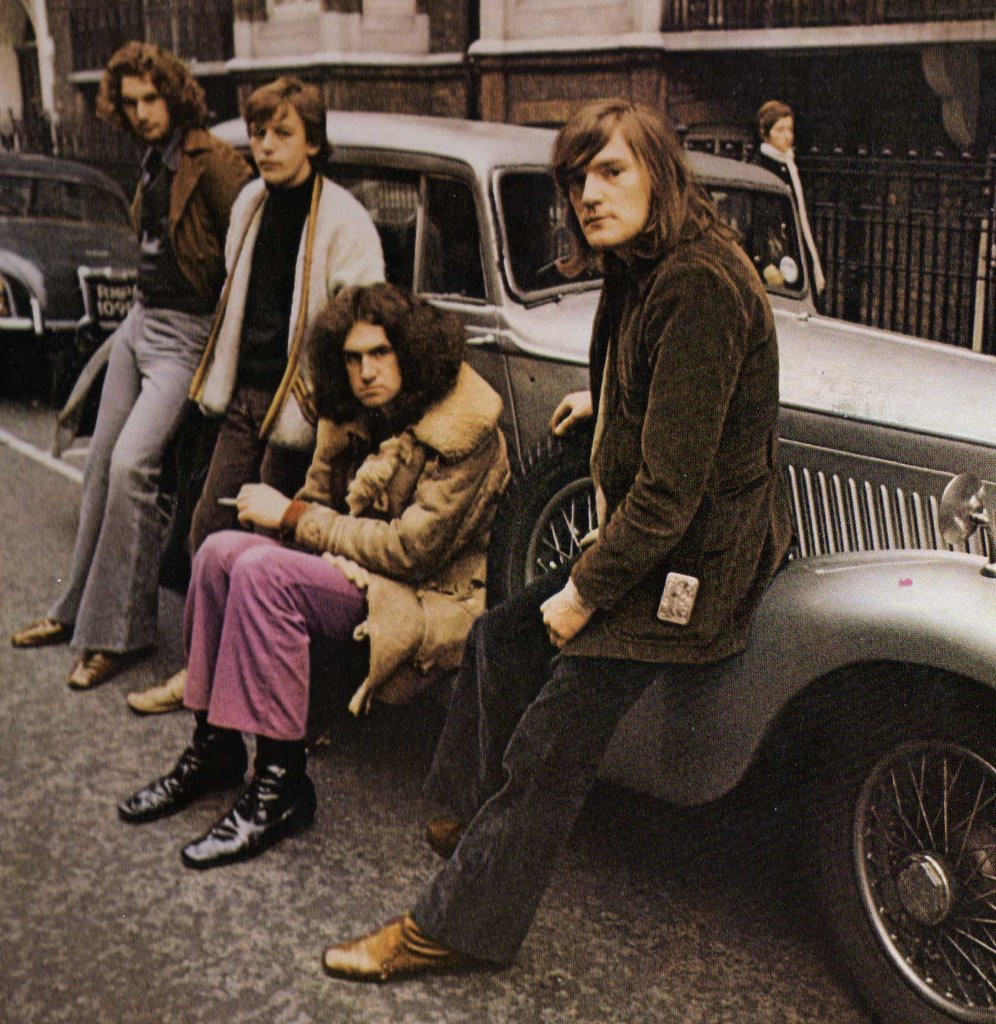
During his career Antonello Vannucchi has performed with artist such as Chet Baker, Barney Kassel, Bobby Hackett, Kenny Clarke, Lee Konitz. Vannucchi, often pianist for Minnie Minoprio, also accompanied some of the great performers of Italian music from Mina to Ornella Vanoni.
Vannucchi also recorded “beat” songs for Ariston Records under the name of I 4 di Lucca later known as the great Marc 4.The name comes from the acrostic of the names of the founders (Maurizio, Antonello, Roberto, Carlo), all musicians wo were part of the Italian State Television (RAI) Orchestra. Essentially a studio band, because of the considerable technical ability of the single players, Marc 4 began to collaborate with the most prestigious authors of film scores : Ennio Morricone, Nino Rota, Armando Trovajoli, Gianni Ferrio, Piero Piccioni, Piero Umiliani, Alessandro Alessandroni to name a few. At times the guitarist Bruno Battisti D'Amario also collaborated with them.


Later the group began to produce their own material which had its origins in the beat style but later developed more into bossa nova and jazz, They recorded a few LP's and singles which are now very rare and sought after.
The principle characteristic of their sound was Vannucchi's Hammond organ. They also worked on TV themes, for example with Mooke/Simona, the theme tune to the program Controfatica, and also the two singles Tema di Nino/Romanza Popolare, which in 1974 were used as the theme tune for a television series about a doctor.
The single players also had a significant career as session musicians.

Where does your unmistakeable style of jazz come from? Who were your favourite musicians and how did they influence you at the beginning of your career?

I was fascinated by BeBop. Miles Davis was the one that opened up my listening to jazz music. I remember a 78rpm called “Down "or something like that , I cannot remember well .
Dizzy Gillespie,Clark Terry , Ray Brown and Bud Powell also influenced my taste, I loved bop from the 40's and 50's. I wanted to use two saxes to recreate that typical sound, the Bebop sound.

You played for a long period with the RAI Orchestra, accompanying the queens of italian music such as Mina and Vanoni. Was it easy to get into RAI and play with such an orchestra?

I played with the Rai Orchestra from 1965 to 1995, I played with Mina, Vanoni and the Kessler Sisters. We also created a small combo that played with them when they toured. We played many concerts, in Europe and beyond.

Tell me about the fabulous group “I Marc 4”. How did they come about?


“I Marc 4” came together in the early 70's. We played on many film scores, we were session men, let's say.
At times, the music director Trovajoli like also Umiliani or Piccoli, asked us, in certain particular moments of a film, to create sounds that appealed to our taste, commentary music (library)
And from that the idea of recording these “commentaries” or other pieces under the name of “I Marc 4”.
The name derives from the initials of our names Carlo Pes, Maurizio Majorana, Roberto Podio and me Antonello Vannucchi.
The Serni label produced these records that were later used as library music on “Cronache Italiane” etc..


When you were writing pieces for soundtracks, surely you had more room to move creatively. Did you have a catalogue of pieces already composed or did you compose according to request and demand?


Most of the times they would give us some themes and we would create ad hoc soundscapes.

“I Marc 4” were defined as the “Trovajoli Soloists”. Other than with this Musical Director you also worked with composers such as Ennio Morricone, Nino Rota, Gianni Ferrio, Piero Piccioni, Piero Umiliani, Alessandro Alessandroni.. How were you taken on or engaged. You were in high demand at the time...

Let's say that our sound was in demand,. We had an Hammond Organ and our sound was inspired by Jimmy Smith, this was the early 70's.

We could say that you were the rhythm session of the Italian theme music.

Exactly!! And we were also the rhythm session for the RAI Orchestra

At times you composed under other names. How come?

Being a part of RAI, myself Podio and Majorana, according to contract, we could not have a dual role and so when we were asked for a piece of library music, we'd record them under made up names or friends names in order to get round the problem of not being able to be under dual obligation. The names used were De Luca , Edmundo Rossi , Romolo Grano etc...

Which Musical Director was able to acknowledge your renown jazz vein?


Trovajoli for sure. He was a jazz player in his own right. Piccioni also loved jazz. He was very eccentric. !

You also played with jazz legends from overseas such as Chet Baker, Barney Kassel, Bobby Hackett, Kenny Clarke, Lee Konitz.
Was there a difference between playing with foreign musicians who were strictly jazz and Italian composers who had a background of classical or popular music?

When Baker came out of prison in Lucca in 1965, he came knocking straight at my door. We decided to form a group to accompany him during his concerts. We did this for quite a long time during his stay in Italy. The group was composed by me on vibraphone, Baker on trumpet, Andrea Tommaso on double bass and Franco Mondini on drums.

Mina, The Kesslers Sisters, “La Bussola”. What was the atmosphere like in Rome in the early 70's ?

The atmosphere was fantastic and always electric.

Do you ever listen by chance, to some theme tune which you played on or some recording by Marc 4 ?


Yes I still have all the vinyl records of our work and every now and again I listen to them. I know them off by heart by now.

What do you think about the desire that there is now (in the last few years) to look for, listen and even dance to that music.?

Naturally it pleases me ! I think that the music that we did then is very close to that which the young people listen to today, so it not difficult to see why they appreciate that type of music.

Labels: , , , , , , , , , ,

Thursday, December 06, 2007

Interview to David Axelrod " The Axelrod Tape "

Quote David Axelrod web site :

An award-winning producer for Capitol Records who produced, great jazz, funk, and soul records during the 1960s and '70s, from Stan Kenton to Lou Rawls to The Electric Prunes to Cannonball Adderley. David Axelrod created his own distinct style. He has earned one Grammy and five nominations, along with seven gold records. Serious jazz lovers will recognize his name.
Axelrod freely uses drums, horns, strings, string bass as well as woodwinds along with key board, in his compositions. Poetry has been an influence on his compositions. He is considered a visionary and the father of fusion.


As I wrote in a previous transcript I got in touch with David
Axelrod's son Dana to interview "The Maestro" .
Interviewing him for the first time was a strange sutuation for me, I
was very shy to ask all the normal questions that every Jurnalist would
like to ask, after all what more can I ask to a living legend like David
Axelrod...?
Experience, Sampling, Productions, Origins, Taste...


David Axelrod for me is a kind of " Deep Composer ", I never knew
what to call his Style, so deep so intelligent, a kind of "Baroque
orchestral message". Funk Jazz tinged ...Out of any " regola " Free from
music standards, a kind of Archetypal music.

The first time I heard him was like an illumination,
"Who can mix Classical moods , Jazz , Soul , Funk and Rock together
with God's blessing"?


So I started to research as always... and collecting... new experiences!

Song of Innocence
Song of Experience
Rock Messiah
Earth Riot

Loads of productions, lots of them sampled by big modern artists like
DJ Shadow, DR Dre and many more...


It was like living in the 70's when I received the "tape" with the
recorded answers, it was pretty strange for me receive a tape in 2007
but this is all part of the legend that is Axelrod...

I don’t have a tape recorder any more, shame on me! How times have
changed.
I found the "tape recorded" interview so cool because, Axelrod
answered me directly. Answers without questions... for me it was a type
of poetry.
When I listened to the tape I decided to put the interview here on
Jazzmotel, laid bare without questions, just like a kind of statement,
David Axelrod "SPEAKING BY HIMSELF" to answer me... the interviewer...
A true privilege and one interview I will never forget.


In the internet and electronic era it is quite cool receive a tape,
so this my friends is the "Axelrod tape!"


How you doing Alessio?

Everything is fine here in the States. It couldn’t be better.


Well, sampling and music seems to be here, although they are cutting down on it, and I don’t mind having my music sampled. I think it’s kind of neat, that so many people are interested in it, especially if it’s done right.

No, I wasn’t angry when I first heard myself being sampled, I thought it was kicks. I broke up laughing. Then came some serious samples, and if you can get someone like the way Dre did it, the way he did Next Episode, when he sampled The Edge, and what I used as the intro, he put behind the first four bars of the band. And it worked, it really did work.

Also Diamond D, the way he did things when he sampled Mental Traveller, when he put the guitars in different places than I did, and I kind of liked it, as much as what I did was the only way I had done it.

So what’s the sense of getting angry, it’s going to be done anyway, you just have to hope that whoever does it does it musically.

Well downloading is here, and it won’t be a problem once the majors figure out how to utilize it and sell their product on it. The only thing I don’t like about it, is the sound itself. Certain things become very tinny, especially if they have any kind of orchestra, the orchestra sounds very bad. If you using a quartet or a quintet or something you’re far better off. I just don’t like the sound

Well before the sixties and seventies, I was just into a great deal of jazz, as a matter of fact as from about 1954/1955 through the early 60’s, that’s all I listened to. But as I said, before that, I was listening to jazz and rhythm and blues,. People like Amos Milburn and Little Milton and others and especially T-Bone Walker.

Learning music on my own was very very difficult. I don’t recommend it. Did it add to my personal style?..Probably. Because I was already writing before I got involved with certain rules that had to be supposedly applied with. I broke those rules and now that I know better, I still break them. But you better learn. Whether it’s your own or whether it’s within a school. I’ve often told Randy Newman, who I’m very very fond of, that I envy his education at USC (*University of Southern California). A degree in music is a great help.

I don’t hear a lot of cohesive albums any more. It’s like concept-albums seem to be out. I don’t know why that is because I love concept albums and I’ve been doing them my whole musical life, starting in 1967. So why that’s not happening now I don’t know. Maybe it’s the labels. If so, they’re making a mistake. If someone has a good idea for a concept, it’s always going to be cool. Check out people like Alan Parsons

Yeah, I would like to tell your readers to check out davidaxelrodmusic.com

They will really enjoy it.
And… thank you


All the pictures curtesy of Davidaxelrodmusic.com

Labels: , , , , , , , ,

Saturday, November 10, 2007

David Axelrod live at Royal Festival Hall

These are my sensations , my feelings about an incredible DVD concert I received from David Axelrod son , together with the Jazzmotel interview answers I send Him some time ago ...
David Axelrod is for me a living legend , His way to see the music is for me so Deep and Intelligent that I was in trouble to ask Him questions for the interview you gonna read very soon ..
It was like a kind of interview to Enoch or Moses or some other "Patriarcas" as we say in Italy .
I was very happy to get the oportunity to make a Jazzmotel style review , I really hope you enjoy it and starts , if you are not already doing it , dig into Axelrod discography cause you will find many many archetypes , style lessions and pure sensations and Deep conversations and interpretations ,
Belive me !


DAVID AXELROD LIVE AT ROYAL FESTIVAL HALL

introduction:

When I received this DVD/CD after contacting Dana Axelrod for an interview with his father (the genius David Axelrod) I decided there and then to write a sort of review so as to give my contribution and spread the word for this disc which again confirms the genius of this composer and arranger who has contributed so much to the history of Jazz.

To start with a little history , David Axelrod was born in Los Angeles in 1936. He begins early to write complex scores, orchestrations and arrangements which will bring him to define that Jazz-Funk sound with rock undertones that will make him one of the most in demand arrangers and producers of the jazz, soul, funk and rock scene from 1959 through 1999 and the present day.

Cannonball Adderley, Nat Adderley, Funk Inc., Lou Rawls, Don Randy, David McCallum, Clara Ward, The Electric Prunes and Letta Mbulu are a few of the artists that Axelrod has produced and arranged , Capitol, Warner Bros, and Prestige a few of the labels with which he has collaborated.


His records have helped to create the Hip-Hop and Trip-Hop sound and have been the source of inspiration for a new generation of musicians, influencing the styles of electronic and contemporary music amongst others.
David Axelrod is considered a genius for his interpretations of the works of William Blake and for creating a sound that to this day is contemporary, or rather, timeless.

The first thing I thought before viewing is: “Has Axelrod kept that lean sparse sound, those linear rhythms of “Song of Innocence” and “Song of Experience”?
The answer is yes , for sure ...

The chosen venue for this event is the Royal Festival Hall in London, a structure of modern architecture, situated between Waterloo and Hungerford Bridge which highlights the English passion for the past, the present and the future. A perfect combination for the music of David Axelrod.

The Hall is buzzing .Musicians, DJ’s, people form the entertainment industry and ordinary fans are waiting for an event that hasn’t been seen in 25 years; David Axelrod will direct an orchestra of 26 musicians and will perform the songs that have helped to create his legend.
Axelrod looks like a high preacher and from his “pulpit” starts to introduce this event recorded in 2005.

The Orchestra is composed of 6 Violins, 2 Violas, 2 Cellos, an Oboe, a Cor Anglais/Piccolo, 2 Saxes, a Clarinet, 2 Trumpets, a Trombone and a solid rhythm section, essential for the Axelrod sound: Double-Bass, Drums, 2 Guitars, Percussion, Vibraphone, Acoustic piano, Electric piano, Organ and a Harpsichord.

The concert begins with a Psycho Jazz re-arrangement of “Paint it Black”, especially created for this event as a tribute to the land of the Rolling Stones. From this first piece you quickly begin to understand and in the same time you have the confirm of the ability to re-arrange that Axelrod possesses. The piece is practically unrecognizable and incredible.

Axelrod seems almost to enjoy directing the orchestra. I have to say that from what I see he his able to put the musicians at ease. On the other hand, to be directed by a living legend can’t be an everyday occurrence, and for this reason the orchestra (composed of young but very competent musicians) shows good participation and perception , moving to the music and at times almost dancing to the “Beats of Axe”. Axelrod introduces The Edge "sampled by DR Dre " by stating “I hate samples” (a note to the lovers of sampled Axelrod)...


The show’s setlist comprises all his compositions from the late 60’s and early 70’s. Songs like “Holy Thursday” and “Unizen”, form “Song of Innocence”, “London”, “The Human Abstract” from “Song of Experience”, and onto “Holy Are You” taken from the album “Release from the Oath” by the “Electric Prunes” sung by the fantastic voice of an emotional and passionate Richard Ashcroft.


“The Sick Rose”, “Smile”, “Tensity” and “So Low” the only new Axelrod piece, brings London and its theater down in a nocturnal atmosphere reminiscent of Blake.
The concert is brought to an end with “Norwegian Wood”, another tribute to an English band, which confirms the deep respect that Axelrod holds for this country.
The whole concert is an alternation of straight Funky Beats , full Orchestration patterns and Deep inpirational moments wich is the perfect main line of all the best Axelrod works .
“David Axelrod Live at The Royal Festival Hall” will contribute to further your collection with intelligent, profound, baroque and timeless orchestral sounds.

I suggest you go to the Axelrod website and maybe commence your collection of his jazz works.

I hope this my review helps you to know a little more of this incredible Artist .
Be ready for the interview wich is coming pretty soon !
Love from Jazzmotel

Labels: , , , , , , , ,

Thursday, September 13, 2007

We know you got soul , BROTHER !


Yesterday was not a great day for me and for all the Funky Soul lovers , Mr Bobby Byrd is gone in Heaven to let everybody know ( if theres someone who does'nt know ) that he got Soul !

Love to you Bobby and thanks for give us Funk , Hubleness and Soul .
Rest in Peace Brother .

Labels: , , , , ,

Monday, April 09, 2007

JIMMY SMITH


Nowadays organic products can be found in all shops that are biological and non but just as out bodies need to be nourished by genuine products of quality our minds are also ever more in need of sound culture. Many times in the past I have spoken to you about an instrument that made history in the music of Soul, Jazz, Blues, R’n’B and never like today has it been used, sampled and sought after. Many times I have talked about who used it, who sought it out and who sampled it but I have only slightly mentioned who made it indispensable, innovative and a cult object. Jimmy Smith, born in December 1928 and sadly passed away just a few months ago started to play the Piano with his father in the 1940’s. In 1947, after leaving school early, he decided to enlist at the Ornstein School Of Music where he learned Bass and studied deeper the Piano. Smith was noticed through his knack of playing pieces by Brahms, Minuet’s and small Waltzes just through his hearing as he had never learned to read sheet music, this carried on until the teachers became very surprised indeed. After leaving the school and playing Bump Piano in an orchestra of Philadelphia, in 1951 he united with Don Gardner’s Sonotones playing R’n’B Piano. In this situation Jimmy didn’t feel completely at home and it was after he heard at the Harlem Club the great Wild Bill Davies known as ‘the king of the Hammond’ in that period that he decided to start experimenting with this new instrument… Smith borrowed heavily from the style of Bill Doggett from whom he had understood that it was better to use the Organ pedals with your heal because using the front of the foot would tire you very quickly whilst the heal offered more duration and resistance. After closing himself for a long time in his basement Smith came out with a new sound, ready to experiment. A new Jazz story was about to begin. On his new B3 model Smith used the first three drawbars and the percussion, cutting the tremolo, starting to play horn lines with the right hand after being inspired by musicians such as Coleman Hawkins, Arnett Cobb and Don Byas, it was 1955. Smith constructed his Organ solos through inspirations of horn solos: the first and last four drawbars and tremolo on! Jimmy Smith created his first Organ Jazz Trio and completely changed the sound of the moment. In 1956 he began recording for Blue Note until almost 1963 with a total of almost 30 LP’s, he then moved over to Verve until 1972 when he moved onto Elektra, Decca, Mercury, Milestone, Somethin’ Else, Mojo, Metro, Polygram right up to 2004 when he came out with his very last album “Blues Dot Com” that he recorded for Verve Blue Thumb in Los Angeles with the help of musicians of the calibre of BB King, Taj Mahal, Etta James, Dr John, Harvey Mason and others. Getting back to his sound we could say that it wandered greatly amongst the Jazz ambient, fro orchestral trio right up to Funky Jazz in the mid seventies whilst still maintaining his unmistakable sound that even today inspires many organ players. To get a good idea of his sound there are not enough pages in this magazine, I will however try and break down to the minimum some serious indications without having you go out and get some of those usual compilations. From the Blue Note period I recommend “Groovin’ At Small’Paradise” from 1957, “Home Cookin’” from 1958 and “Crazy Baby” from 1960. Then on Verve, probably the label that made him most famous, I would recommend the classic “The Cat” from 1964, “Got My Mojo Working” from 1965, “Organ Grinder Swing” also from 1965 and “Root Down” from 1972 where you can hear that typical Starsky & Hutch type Funky Jazz Organ. A great album that you will rarely see amongst the official discography of Smith and one that I would very strongly recommend is “Unfinished Business” from 1978 on Mercury. I hope that I have pleased and ‘organ-ized’ you for a new search for good vinyl. Jimmy , rest in peace.

Labels: , ,

Sunday, December 17, 2006

Groovin' with the Beatles


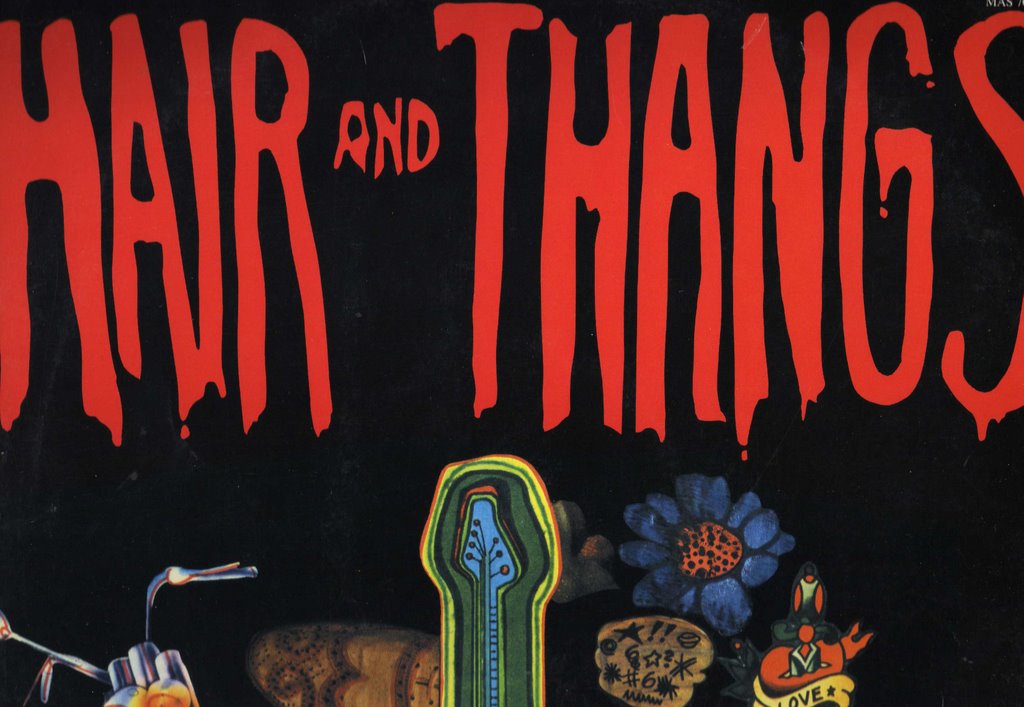
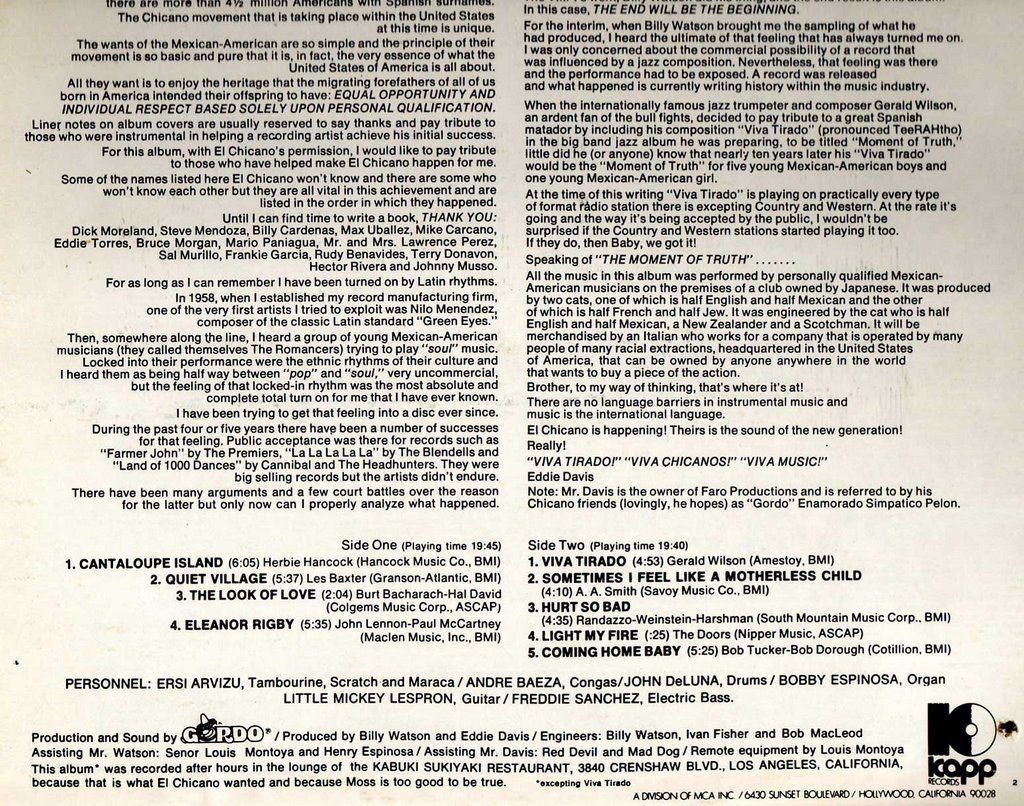
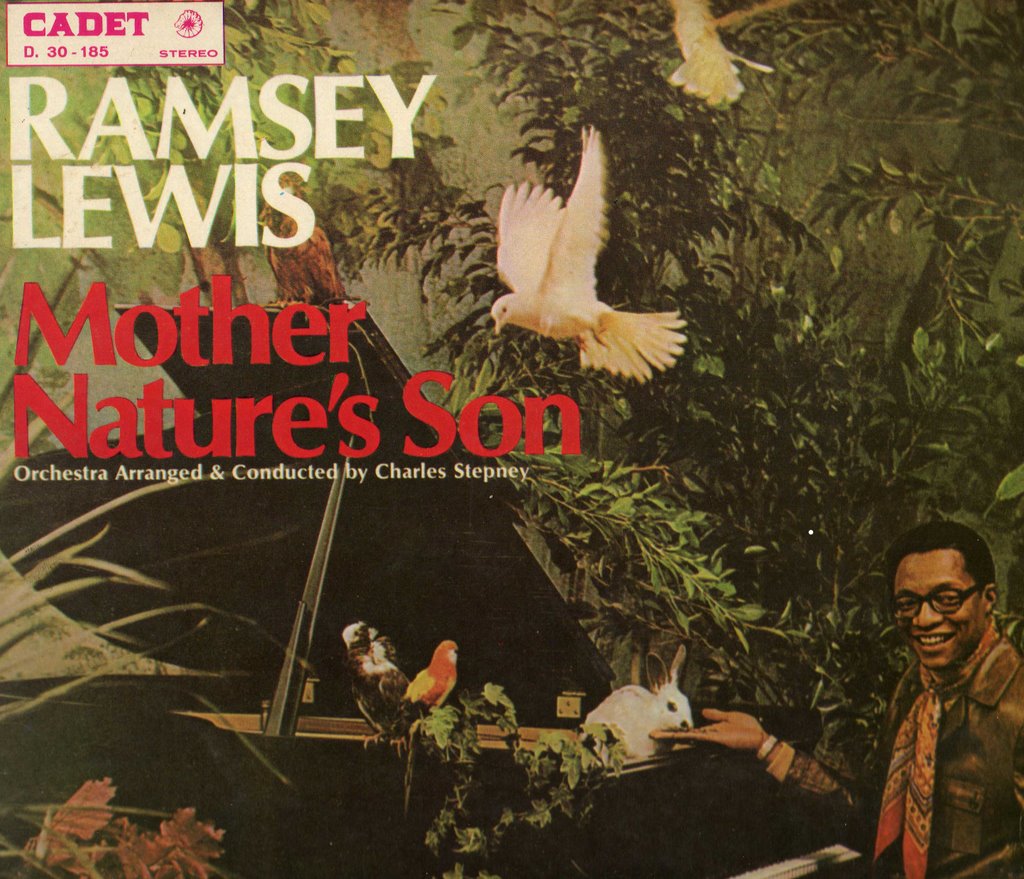
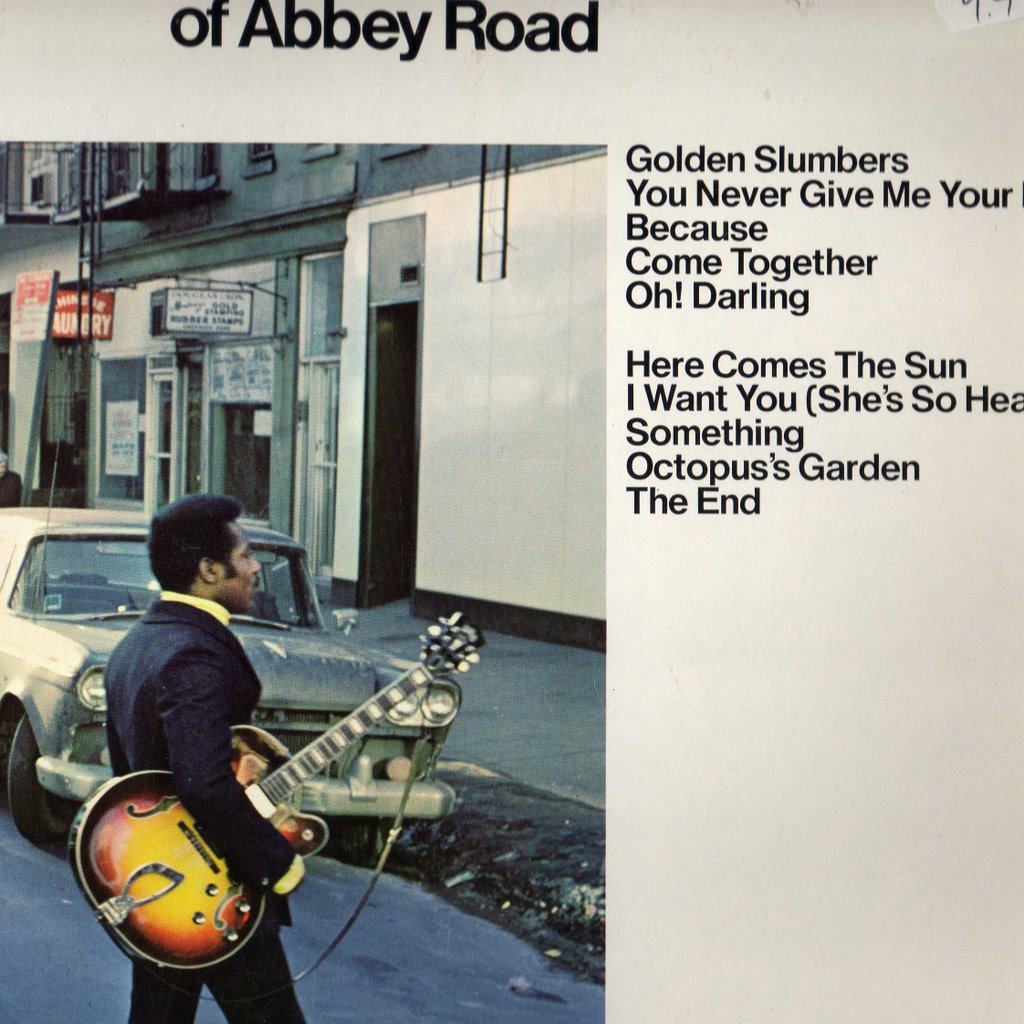
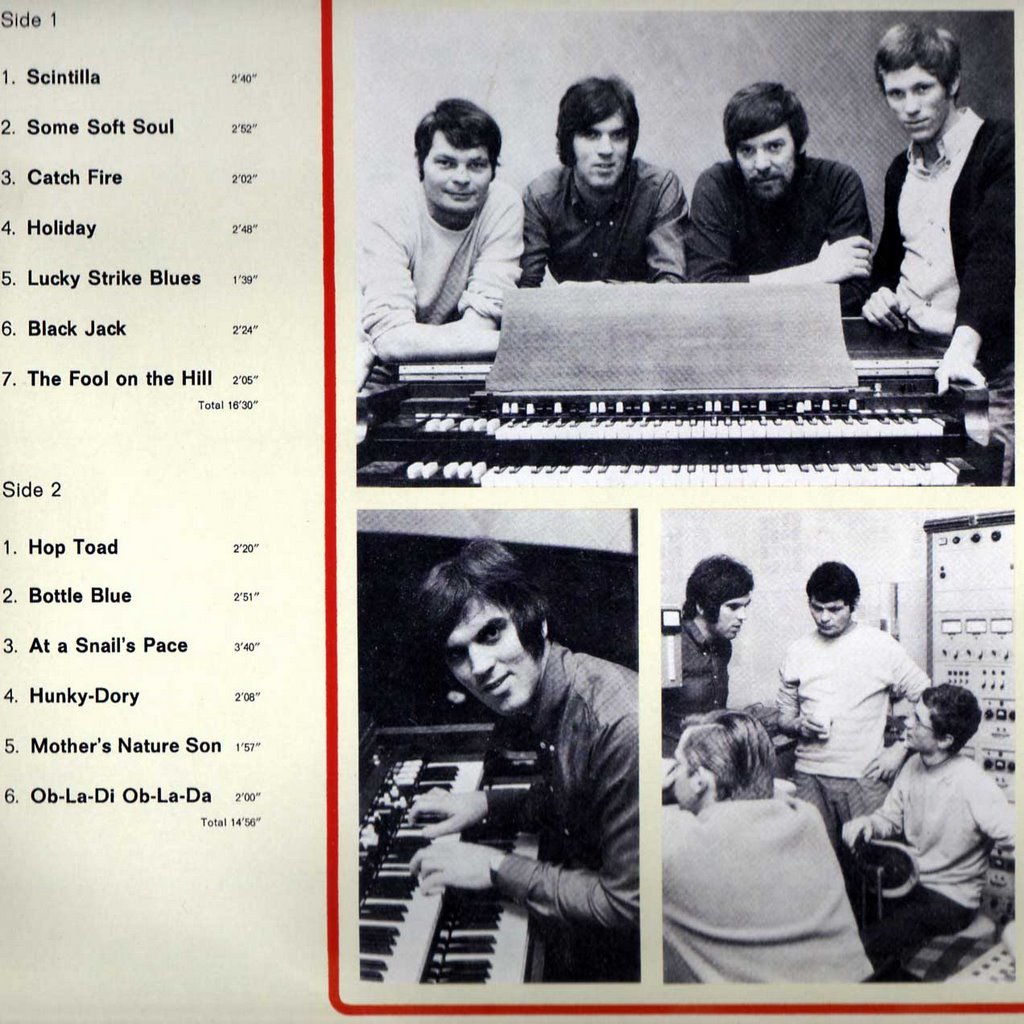
I proposes a look at the more groovy pieces of The Beatles re-interpreted by musicians that, in the 60’s and 70’s, were part of that sound that we all now define as Groovy Beatles! Why The Beatles? Simply for two reasons: above all they are and always will be my favourite band as well as being the ones who opened my mind musically when I was young, in fact I can state that my Karma as a DJ made itself known at the age of six when I used to listen to “Let It Be” (that came out only six years before!). The second reason is that last November 17th of last year “Let It Be” was re-published in its original version, that which the authors themselves would like to have seen pressed. Phil Spector, the producer at the time, remixed unknowingly by them the whole album in an effort to make it less raw and more sweeter, he added angelic choruses and orchestras and created many upsets amongst The Beatles who were close on breaking up, that now, at a distance of 33 years, see again (sadly only Mc Cartney and Starr) published their piece of work just how it was planned at the time! Before closing this Beatles section I want to be precise, once and for all, that “Let It Be” was not their last album that they realised in the studio but was in fact the one but last, even if the last, “Abbey Road”, was published in ’69 and “Let It Be” in ’70. Now, as always, I will list a quick but significant quantity of titles and authors, starting with George Benson, a very famous jazz guitarist, who published an album entitled “The Other Side Of Abbey Road” in which, of them all, stands out the very ‘Soul Beat’ version of “I Want You”. Ramsey Lewis also, another very famous artist, re-proposed with the electric piano that characterised his sound the famous White album in a groovy version, calling it “Mother Nature Son” like one of the pieces of Paul. Ramsey was also a big fan of The Beatles, in fact right from the beginning of the 60’s he proposed many cover versions of the group in lots of his albums. In a precedent appointment that was dedicated to the Sitar I mentioned how The Beatles were the first to introduce this instrument into pop, therefore, what better way, in the swinging sixties, to make a cover of their songs than using a Sitar? Here then is Big Jim Sullivan at work on “She’s Leaving Home” (originally taken from “Sgt. Peppers”) or Lord Sitar who put two pieces on his self titles album, “Blue Jay Way” and “I’m The Walrus”, both taken from “The Magical Mystery Tour”. Moving on to the Hammond organ we rediscover two extraordinary and highly danceable versions of “Get Back” respectively done by Shirley Scott (very jazzy) and the guitarist Dennis Coffey (touching on psychedelic funk rock contained on the album “Hair And Things”). Another great organist, Jimmy Caravan, in his “Look Into The Flower” proposes a great version of “A Day In The Life” in trio where the cacophony orchestra of the original piece, that divided the two ‘separate’ pieces of Paul and John, is substituted by a cacophony organ that gives you goose pimples with the Lesley (for those that don’t know this is a trumpet shaped amplifier that the Hammond possesses, capable of creating an effect like sucking). Rob Franken also, a less noted German organist, proposed his versions of “The Fool On The Hill” and “Ob La De Ob La Da” worthy of noting (they are contained on a very rare record that, however, is well worth looking for). Also Sergio Mendes was another big fan of the ‘fab four’ and, just as you can hear on many of his albums, loved re-interpreting their songs. Staying in South America I will tell you about a wicked version of “Come Together” that has been looked after by the very famous and much sought after Brazilian drummer Wilson Das Neves of whom his 70’s album entitled “Samba Tropi” is at the moment valued at around 250 dollars! El Chicano, a group that was born ‘bad’ like Santana but remained that way, offered us their Latin funk version of “Eleanor Rigby” where the sweetness of the original piece leaves space to a very aggressive Latin beat that is worthy of the most dusty powdered Mexicans! Astrud Gilberto also (an artist that is better known by us) re-proposed “In My Life” (in 1968) and “Here There And Everywhere” (in 1969) including them on her rarest (just for a change) album “Windy” and “17th September 1969”: there is no point mentioning that her Brazilian sweet voice makes these songs even more pleasurable.

Some other titles with Beatles reinterpretations are :

Booker T anbd the MG's Soul Limbo Stax
Ella Fitzgerald Watch whats happens MPS
Shirley Scott and the Soul Saxes Atlantic
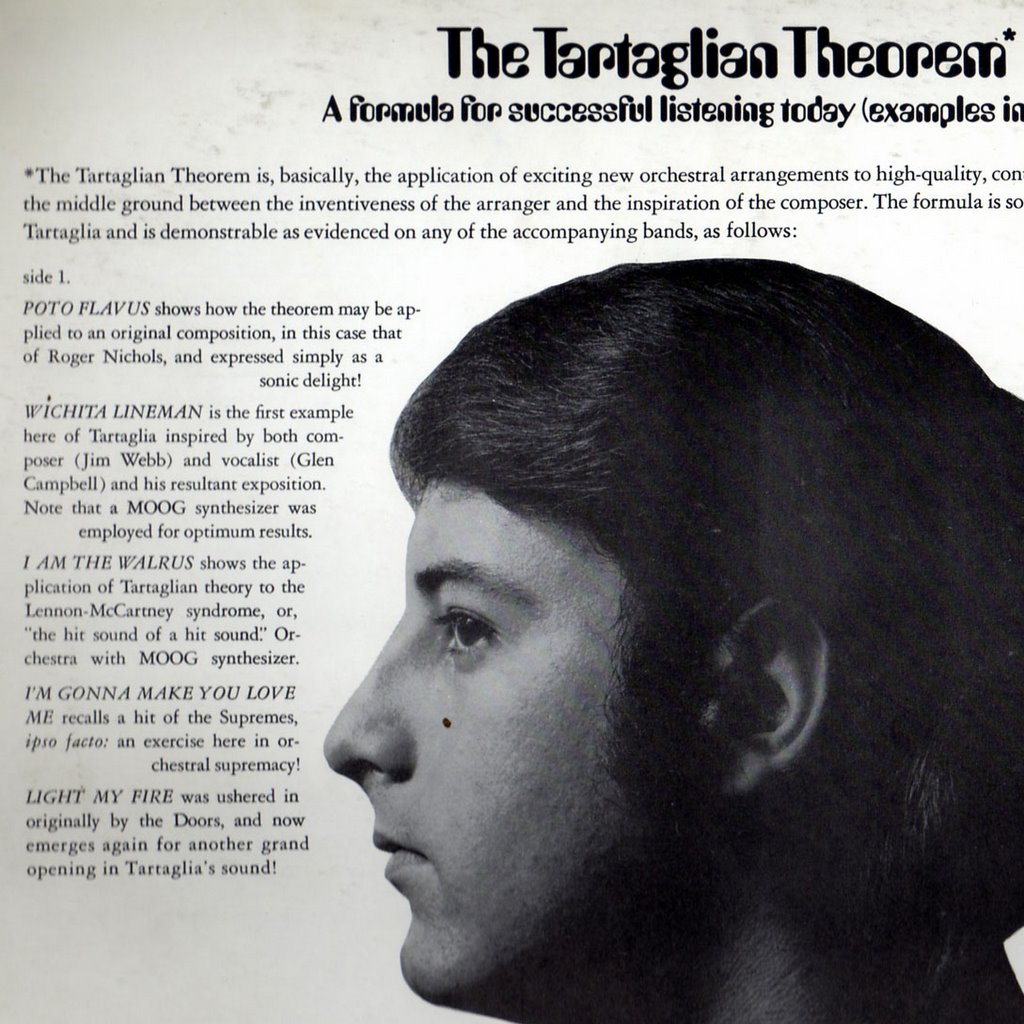
Andrew Tartaglia Tartaglian Theorem Capitol
Ramsey Lewis Mother Nature Son Cadet
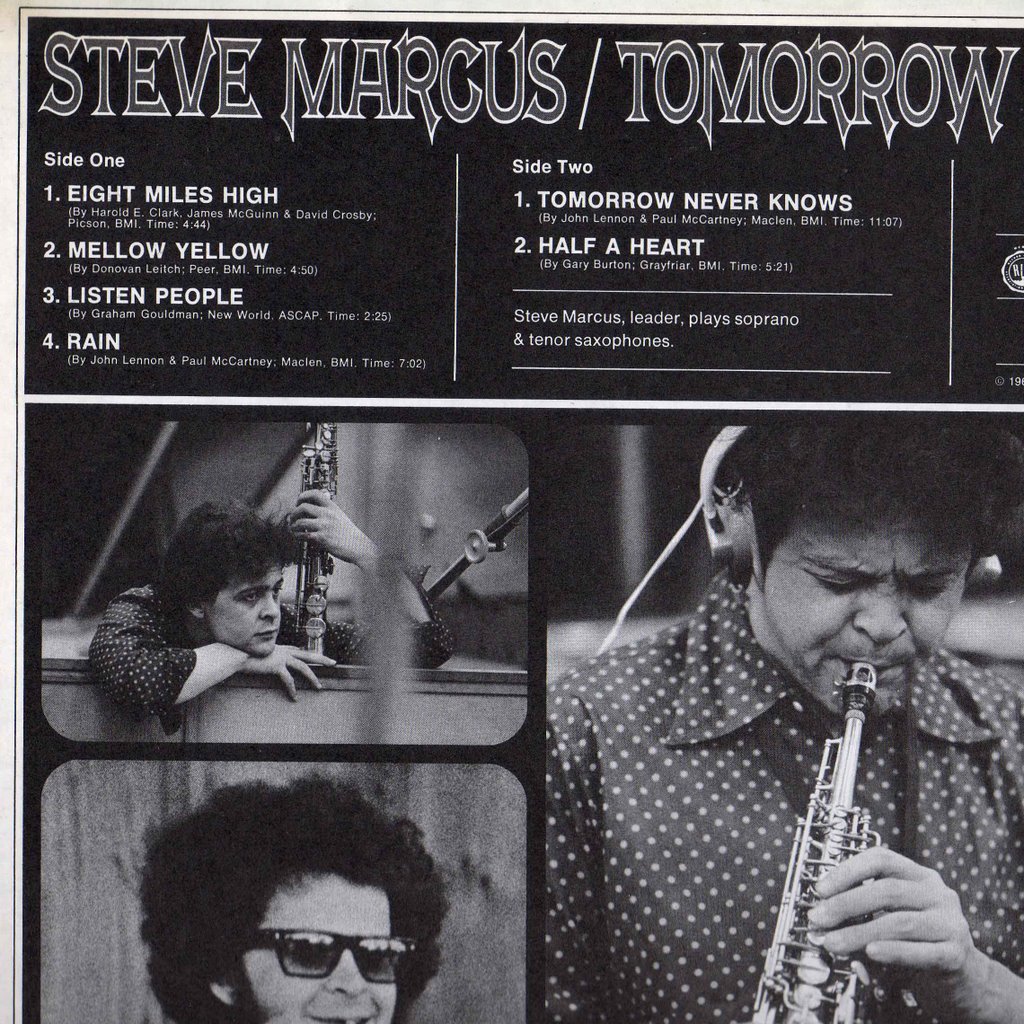
Steve Marcus Tomorrow never knows Vortex
George Benson The Other Side Of Abbey Road CTI
The Knut Kiesewetter Train Stop!Whatch!and Listen ! MPS
Mongo Santamaria Working On A Groovy Thing Columbia
Shirley Bassey Something UA
Big Jim Sullivan Sitar Beat Mercury
The Harvey Averne Dozen Fania
And loads more .....

Labels: , , , , , , , , ,

Sunday, December 10, 2006

Interview to Brian Auger


Im proud and excite to introduce to you another of my chats with a great Organist and Pianist that need no presentation ...Brian Auger , his Organ style groove us from the 60's till now !
Trinity , Oblivion Express , The Steampacket and all the London scene !
I hope you enjoy this interview i did .


Whats you favourite Bands and your musical tastes in the beginning and now ?


My Favourite bands early on were Art Blakey's Jazz Messengers, Miles Davis, John Coltrane, Blood Sweat & Tears, Steely Dan, Yes, Led Zeppelin, Mothers of Invention, Herbie Hancock Quintet, Aretha Franklin, Donnie Hathaway, Stevie Wonder, Marvin Gaye and many many
more.
Today Tears for Fears, Brand New Heavies, Incognito, Jamiroquai, John Mayer, Coldplay, Foo Fighters, Down To The Bone. etc etc.


Can you tell me about when you decide to move from Jazz and Piano to join Organ and R'n'B ?


I switched to the R&B/ Rock scene in 1964 and bought my first Hammond Organ in Early 1965. I have not left the Jazz Scene and I incorporate much Jazz in my music, and play on many Jazz Festivals. I also never left the piano and still play piano pieces every night on tour.


Flamingo Club in London was one of the many Clubs in where you played , how was the Club vibe in the 60's , which were the Sound of that period .


The three most influential clubs in Central London in the 60s were The Ronnie Scott Club ( strictly Jazz, and still going), The Flamingo, (home of the R&B organ based bands) and the Marquee Club ( home to Jazz, Blues and the new pop bands like The Who, Spencer Davis Group, The Steampacket, The Move etc etc. As one of the only musicians that played in all three clubs, always liked the Flamingo for its mixed audience of English kids, West Indian fans and American soldiers and airmen who came into London on the weekends. This was a dancing audience and had the best atmosphere.


I saw an Auger Driscol Compilation called " The Mod Years " , whats your relation with Mods ?


My connection with Mods began in the Steampacket. We wore tailored suits and Carnaby Street clothes and the public called us Mods for our "modern Style of Stage Wear'. Indeed the unknown Rod Stewart who really started his career in the Steampacket became known as Rod the Mod.


What you remeber about the Steampacket period and Long John Baltry , Stewart and Jules ?


Steampacket was a great group. The first Supergroup. Unfortunately there were three managers, one for Baldry, one for Rod and one for myself and Julie. This caused a lot of problems and we never got to record properly because we were all on different labels. The only tracks available were pirated.


Then the Trinity with Auger and Driscoll in '66 , "Open" in '67 and so on , did you get the feeling to be starting a group like that ?


At the end of the Steampacket, I already knew that I wanted to start a band that would be a bridge between the separate scenes of Jazz and Rock. I wanted a rhythm section that could play funky R&B + jazz and I wanted to put Organ Solos on that base using my Jazz Harmony chords and with a positive vocal message. This was the Trinity, the first band of its genre to headline the Montreux Jazz Festival , The Berlin Jazz Festival, The Rome Jazz Festival , and all in 1968 with our first album OPEN and our single SAVE ME.


How did you define the Trinity Sound and how the Oblivion Express sound ?


The sound of the Trinity and the sound of Oblivion Express were pointed out in the recording studio. I simply tried to make sure that everything that was played by each musician was clearly heard, and a little reverb was added. I am not a Phil Spectre who is trying to create a particular sound to every one of his recordings.


When and how you decide to form the Oblivion Express ?


After the Trinity broke up in 1970, I really wanted to push the musical envelope and develop the Jazz Fusion music that I had started.
As this meant that I would be going against the wishes of the record company who wanted more and more commercial music, I thought I was going the quickest way to Oblivion,( Oblio) so I called the band The Oblivion Express, (Il Rapido a Oblio). We are still going, but now with my Daughter Savannah on Vocals, and my son Karma on drums. This is the happiest Express so far.


I know you played a lot in Italy and also that you speak Italian , tell me something about your Italian side .


I first came to Italy as a student when I was 16 years old and instantly loved Italy and the Italian people. In 1967 I came back as a musician to play in a club in Milano and met my wife, who is from Cagliari Sardegna. This was the best thing that ever happened to me.I already had studied French and Latin at college, and Italian came easily for me. My connection with the Italian fans grows stronger every year, and I sent my three children to study in Italy so my whole family speaks fluent Italian.


Can you tell me something special , a funny thing or a story about your B3 ?


My Hammond B3 in the USA, originally was built in London England, but when I moved to the US, I had to install an American tone generator in it. So it is the only Anglo American Hammond that I know about.


Whats your future plans ?


My future plans are to play live with my band until I leave the Planet.

Labels: , , , , , , ,

Monday, December 04, 2006

the Soul of JB part one .


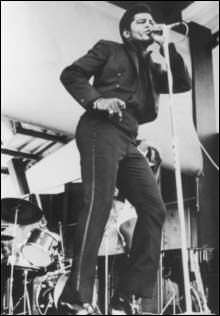
This is a very hot topic hotter than ever , im writing a small but very hard breakdown of vinyl from the ‘Godfather of soul’ Mr. James Brown. Everybody knows that his career started about 40 years ago with a very soulful piece but it hasn’t finished yet because our Godfather is still playing all over the world, he is also recording an album that will be the soundtrack to the new ‘Rocky’ film! The part of his discography that I would like to recommend is that which goes up to the end of the 60’s and beginning of the 70’s, the same years that have become a habit for ‘The Soul Beat’. That which follows doesn’t wish to be a detailed list of his records but just a taste of his capacity in inventing a sound that still goes today… frightening! We shall start the journey with “Grits And Soul” where James might not even be recognised because he doesn’t sing but instead plays the Hammond organ: we are talking about a collection of pieces that range from soul to honky tonk right up to orchestral R’n’B with “Who’s Afraid Of Virginia Wolf” (a classic that was even done by Jimmy Smith) that I would strongly recommend to all those who love soul from the mid 60’s. Following there is “It’s A New Day” (that begins to be more R’nB even if Soul is still in charge) in which groovy pieces such as “Let A Man Come And Do The Popcorn”, “Give It Up Or Turn It Loose” and “It’s A New Day” alternate with big dance numbers like “It’s A Mans Mans World” or “Georgia On My Mind”. The album “Say Loud I’m Black And I’m Proud” starts to show us that Brown has some clear ideas about politics, about Soul and about what he wants… this is because he is beginning to become a kind of God and many are beginning to take note! In this case also songs like the title track or “Licking Stick” alternate with other cooler ones like “I Love You” or “Maybe I’ll Understand”. To keep under observation, also, are a few instrumental singles that represent rare material because James likes so much to sing. Not many know that he, apart from dancing, is an orchestra leader as well as arranger, he also plays the organ, therefore there comes out 7”’s such as “Shhhhhh For A Little While” (remember that I mentioned this in the Boogaloo edition of ‘The Soul Beat’) or “The Soul Of JB” b/w “Funky Soul” on the KING label as well as the very rare and much sought after instrumental “The Drunk” on BETHLEM that, with the difference to the others, is not contained on any album. To follow there was “The Popcorn” that, apart from being the name of a dance that he invented, is also the title of the album where ‘our man’ leads and dances with the JB Band! In it, even picking with your eyes closed, we can find brilliant songs such as “The Popcorn”, “Soul Pride”, “In The Middle pt. 1 & 2”, “The Chicken” or “The Chase” (just to name a few). In these pieces you can hear that things are slowing down and that the groove is getting ever deeper: next is the birth of true funk! On the album “It’s A Mother” James invented definitely the ‘Funky with feeling’ sound with pieces such as “Mother Popcorn”, “Mashed Potatoes Popcorn” and “You’re Still Out Of Side” (there is no use mentioning “Pop Corn With A Felling” and the others!). In 1970 James Brown changed his band and published another instrumental album entitled “Ain’t It Funky” in which there is (in my opinion) the first true Funky pieces such as “Ain’t It Funky”, “Nose Job” (the title says it all!!), “Use Your Mother” and “Cold Sweat”: in my opinion this album will remain a milestone in the JB story, even if it is one of the lesser known ones. Before finishing off the first part of this edition of ‘The Soul Beat’ I want to mention another album, also instrumental, one of which I redefined my opinion on JB… It is entitled “Sho Is Funky Down Here” and represents a monumental parenthesis that James opened and closed during his long career. The mentioned album is nothing but a Funky Trip of Hammond, Clavinet, Fuzz Guitar and Wah Wah Grooves whilst the sound that it unleashes is a kind of cross between the soundtrack to a porn or police film. I highly recommend that you hunt it out and take a careful listen: you will be nicely surprised! It is now time to say goodbye so see you in the nest edition with ‘The Soul Of JB part 2”… naturally in ‘The Soul Beat’! Peace all around and make it funky!
Labels: , , , , , , ,

Interview to Marcos Valle


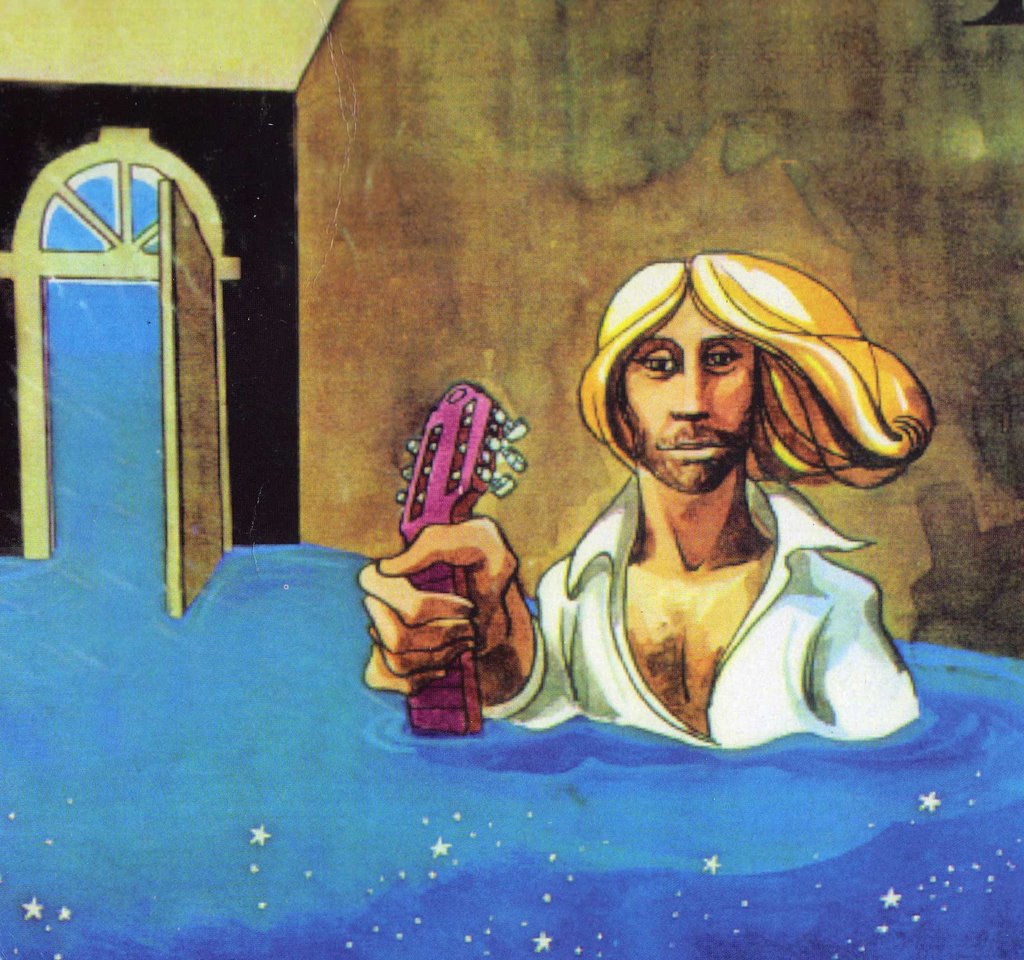
Like a dream come true i went in contact with one of my great Idols , my favourite Brasilian composer , Mr Marcos Valle.
I discover a great man , humble and cool , a man with an open mind , an artist always ready to experiment and create new sounds always with his great and unmistakable sound and touch ...heres a chat with Marcos Valle


I read you studyed classical music , wich one is your favourite classical
composer , theres someone who inspired your musical taste and style?


M: Ravel and Debussy were the pricipal ones.


Listening to some of your records like " Garra " or " Marcos Valle " from
1970 i heard that in songs like " Des Leis " i can feel some kind of 60's
European or American infuence , wich bands were an ispiration for you?


M: Steely Dan,Chicago, Earth,Wind And Fire, Beatles, Harold Melvin And The
Blue Notes, War, Blood,Sweat And Tears, were some of them.


My Marcos Valle favourite tunes are " Ele e Ela "," Viagem " and "Pigmaiao
" also because i love that kind of waltz tempo , can you tell me something
more about " Ele e Ela " and waltz tempo in Bossanova?


M: Jobim,Menescal and I have written some waltz tempo songs.. I think it
blends well with the the softness and sensuality of the Bossanova mood.
I have written at least 6 of them,and "Ele e Ela" is also one of my
favorites,because of the chords changes and the smooth melody.


Most of your songs are about love how love influenced your musical life .


M: I can´t understand the world without love,so my songs talk about it.Not
only love between 2 persons,but also love for your people,for all the
races,for the ones who need care.


What you think about mixing Bossanova with other styles like Funk or
Psychedelic sounds in the 70's or electronics today..


M:I love these experiments and mixings.They inspire and excite me.


How important were the traveling in North America for being in time with the
music , like you are already now.


M:Well,besides having my songs recorded there,my personal contacts were very
interesting.
I had good times touring with Sergio Mendes in the Sixties.
The success of my song "Summer Samba "in 67 took me to some of the most
important musical American TV shows;I had the chance to record then 2
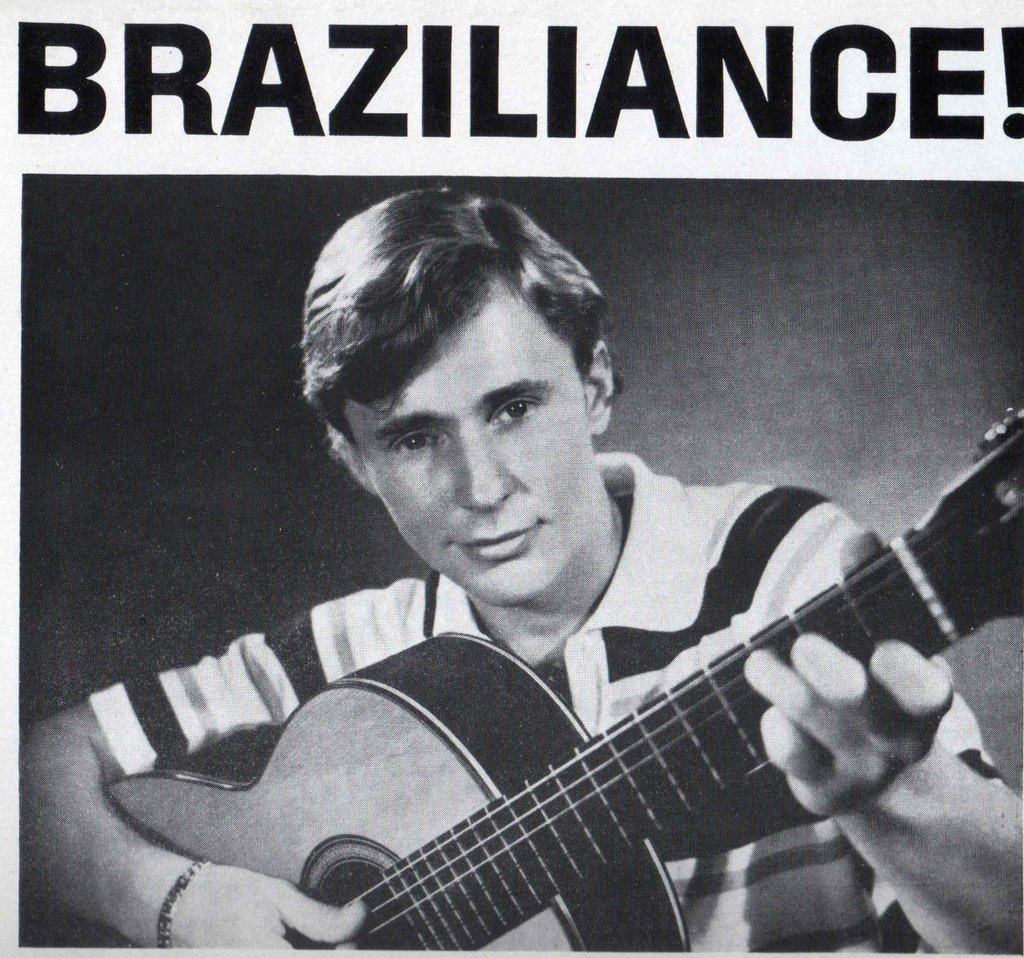
albuns:one for Warner,named "Braziliance-The Music Of Marcos Valle" and one
for Verve:"Samba 68".I had a chance to meet important artists as Henry
Mancini,Quincy Jones,Johnny Mandel,Ron Carter and others.And from 75 until
80,when I stayed 5 years there,I met Sarah Vaughan,with whom I
recorded,besides having my songs recorded by her;the group Chicago also did
it;I had a chance to write many songs with Leon Ware,partner of Marvin Gaye
(Leon recorded many of our songs);I collaborate with Airto Moreira writing
the arrangements for his album "Touching You,Touching Me",and also had songs
recorded by my friend Deodato.


You wrote the Azymuth song that inspired Azymuth band , can you tell me
something about that soundtrack , i mean "O fabuloso Fittipaldi".


M: I had written the song "Azymuth",with my partner Novelli,in the 60s,for
the opening of a TV film,about racing driving.And recorded in the accoustic
piano myself. Then,years later 2 important movie makers,Roberto Farias and
Babenko decided to Make a film about the 2 times World Formula One Champion
Brazilian Racing Driver Fittipaldi,and they asked me to write the score; and
as they loved the song "Azimuth",they asked me if I could write a new
arrangement of that song for the opening of the film,which I agreed.To
record the soundtrack with me,the producer of the album decided to call 3
talented musicians: Jose Bertrami(Keyboards),Alex Malheiros(bass) and
Mamao(drums),and I playing the accoustic piano.
Bertrami and I wrote the arrangements together.We wrote a new arrangement
for "the song "Azymuth",but basically,my piano solo was the same,and I wrote
new songs for the rest of the film.
I could not put my name in the record as a performer,once I had a contract
with EMI,and this was being recorded in Phillips(Universal today).So,we had
to find a name for the performers.The producer thought about "Conjunto
Azymuth" ("Azymuth Band"),because of the opening song.I agreed.
After the record,those 3 musicians decided to stay together,and asked me if
they could use the name "Azymuth" for the band.I agreed,and I became the
"Godfather" of the group.And I really think they are probably the best
Brazilian instrumental band .


You collaborate with a lot of Brasilian musicians , wich collaboration were
the most important for you .


M: Joao Donato , Milton Nascimento , Edu Lobo , Menescal , Lulu Santos ,
Carlos Lyra , BossaCucaNova , Cidade Negra , are just some of them.


Its very difficult to find Marcos Valle original vinyls , the vinyls you
find are very expensive . what you think about this ?


M: I wished they were less expensive , so people who enjoy my music were
able to buy them.


Can you describe me the felling of Rio de Janeiro in the 60's .


M: It was very stimulating.I had my first song,entitled "Sonho de Maria",
recorded in 1963,by Tamba Trio.And a little bit after that,Os Cariocas
recorded 2 songs of mine,"Amor De Nada" and "Vamos Amar".And in 64,I signed
a contract to record to EMI for 5 years.
What was fantastic is that all the composers,musicians and singers use to
get together almost every week,in someone,s house,and I always wanted to get
there with a new song to show Jobim,Carlos Lyra,Menescal,and all the
others.So,I had to look for quality.I did not think in what would be
comercial,never.We just wished to write good songs.And that was the same for
film producers,plays,books,all kinds of art.The sixties were very creative.
Even when we had the military government,we were very productive.We had
problems with the censors,but did not give up.The lyrics started to change
to social and protest subjects.The meetings now were not only musical,but
also political,to discuss what we could do against the government.They
included all kind of art people.


When i listen to your 60's and 70's records i feel a kind of energy and
positive thinking about that period , it's Brasil changed today ?


M: As I say,I was very stimulated to do things and write a lot.
Today we have democracy,thanks God.Elections are free,we choose who we
want.But we still have the social problems.The population is much bigger,the
poverty also.We must fight that to find peace in our country.
We do not have anymore those weekly meetings,but I love to get together with
other composers of other generations,other music styles,and write songs with
them.That moves me.


What are you doing now , i know you are playing a lot in this period , can
you tell me something about your future projects?


M:I just came back from a great European tour,with my band,including 17
shows in different countries.
I Have recorded a new CD,all instrumental,with new and old
songs,produced,arranged and performed by me,playing the Rhodes,Accoustic
Piano,Guitar,Mellodica and keyboards,with my band,and have achieved the Tim
Award (the most important music award in Brasil) as the best instrumental CD
of the year.The CD was released in Europe,Japan and USA by Universal.
I will be perfoming 5 shows in Australia next January,in Sydney and
Melbourne Festivals,and in May I will start a new European tour.
And in Brasil,I will be perfoming a lot, also with my band .
And I will be recording a new record in 2007,I still do not know were.Let´s
see.

Marcos Valle

Labels: , , , , , , , , , ,

Sunday, November 26, 2006

Our Latin Thing featuring Fania all Stars film review


A few kids playing on a rooftop in Spanish Harem and one of them, to the sound of the Wah Wah Rhodes of “Cucinando” by Ray Barretto, leaves the group and begins to run. Through side streets, avenues, right up to a wall where you can read names written in a 70’s style Street Graffiti, names like Ray Barretto, Larry Harlow, Willie Colon, Ismael Miranda, Jerry Masucci and Ricardo Ray as well as the title “Our Latin Thing”. As many of you have already understood this month I want to talk to you about a documentary by Leon Gast of which the theme was the Hispanic music phenomenon in the ghettos of Harlem at the beginning of the 70’s. Thanks to Vampisoul, a Spanish label, it is back onto the market (in a DVD version) called “Our Latin Thing, Nuestra Cosa” and offers all of us lovers the possibility of seeing and tasting the ‘authentic’ story of Latin music, something with contaminations from Africa, Cuba, Puerto Rico, Jazz… well, ‘hybrid music’. Vampisoul is, and always has been, one of the more attentive labels in its selection as well as specialising in the distribution of lost tracks from musical styles such as Latin, soul, funk, r’n’b and groove from the 60’s and 70’s because it sources out and represses excellent taste pieces of vinyl of the highest quality. To note also that this label has brought back onto the market, after 20 years, one of the symbols of Latin Soul, ‘The Ordinary Guy, Mr. New York’ Joe Bataan with his newest incredible album entitled “Call My Name”. Getting back to New York though… The principal protagonists of this documentary-film are the Fania All-Stars come along with those people who at this period in time were and integral part and daily ‘animation’ for Spanish Harlem in New York. Jerry Masucci, boss of Fania (a leading label for Latin Music) and Larry Harlow (‘El Judio Meravilloso, The Wonderful Jew’, one of the musicians, better still, the musician that brought Salsa to the whole world) wanted this film to realise a project that had been going ahead for some time: to spread the Latin culture throughout the world. As I said before, to realise this film, filmed in New York in 1972, they called on Leon Gast who was probably the only person capable of collecting together the whole essence of everyday life and transforming it with a touch of cinematic sense. The film starts off with a rehearsal inside a ballroom where the Fania All-Stars are trying out there songs on a few spectators, amongst which two very cool dancers. Between some improvised interviews with Ray Barretto and a cut to some kids who were banging tin cans as though they were conga drums, you could already make out the documentary taste of Gast. The street scenes are also very present: a slightly beat young man with another slightly drunk walk alone in the streets improvising a ‘few moves’ with a passing young lady; the percussionist Ray Barretto as a make believe ice cream man breaking up ice to make ice pops for the kids; the people are gathering in the streets to hear the Harlow Orchestra with the singer Ismael Miranda playing their latest song Proto Salsa directed by Larry Harlow and his electric piano. To note that the Harlow Orchestra played on the steps of one of those classic households in Harlem between rubbish bins and people who were shouting out. After filming a clandestine cock fight in a kind of basement as well as a kind of African or Voodoo rite beneath an underpass, Gast goes back to the ballroom where the Fania are ready for the announced concert with its very eager Hispanic-American audience. “Estrelle De Fania” and all of their pieces of the moment are played including trumpet solos, conga drums solos, Latin choruses and couples dancing or others on their own making moves that would make any modern day Salsa maestro jealous. Trumpets and trombones together, as the rules of the Harlow Orchestra or Johnny Pacheco state, looking after the orchestration of the band (an orchestration that was taken as an example by all Salsa groups in the future). All this as Larry Harlow made me understand initially cost 5000 dollars, almost a years work leaving very little pay for the artists, it was however very important in other ways: it sent Salsa as well as all of the Fania artists into stratosphere making the Hispanic community famous and respected throughout the world.
Thanks to Vampisoul for gave me the Video .

Labels: , , , , , , , , ,

Free Web Counter
Free Counter