Monday, December 04, 2006

Interview to Marcos Valle
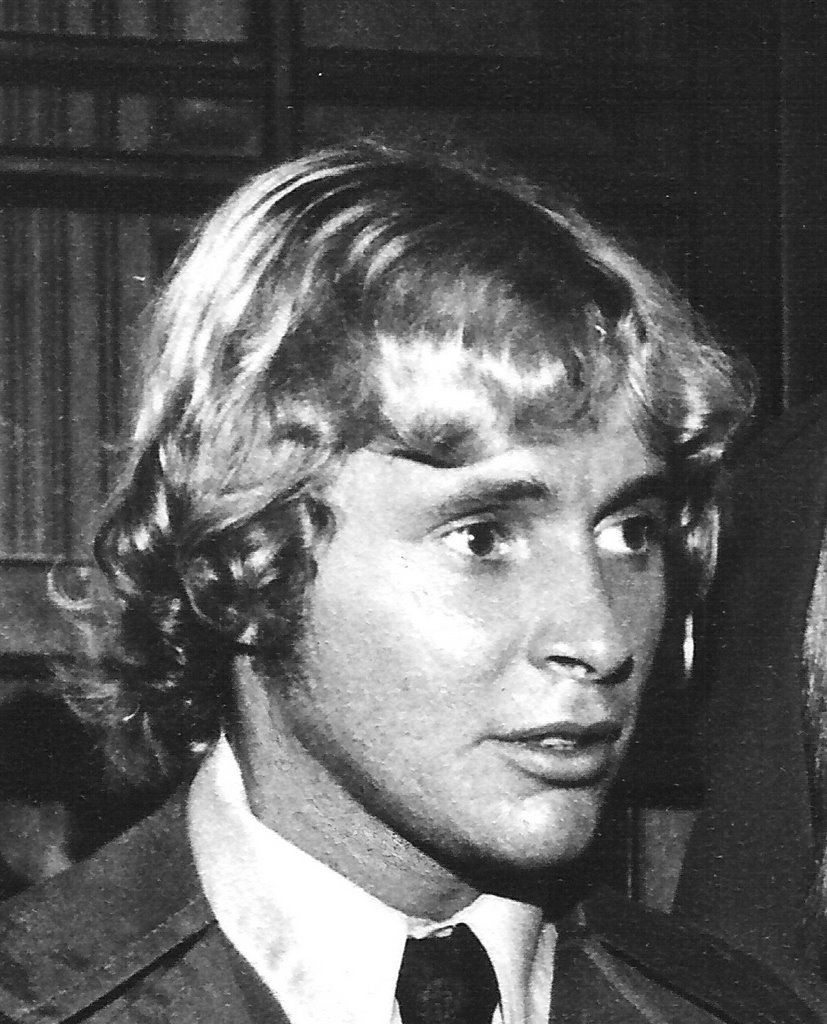
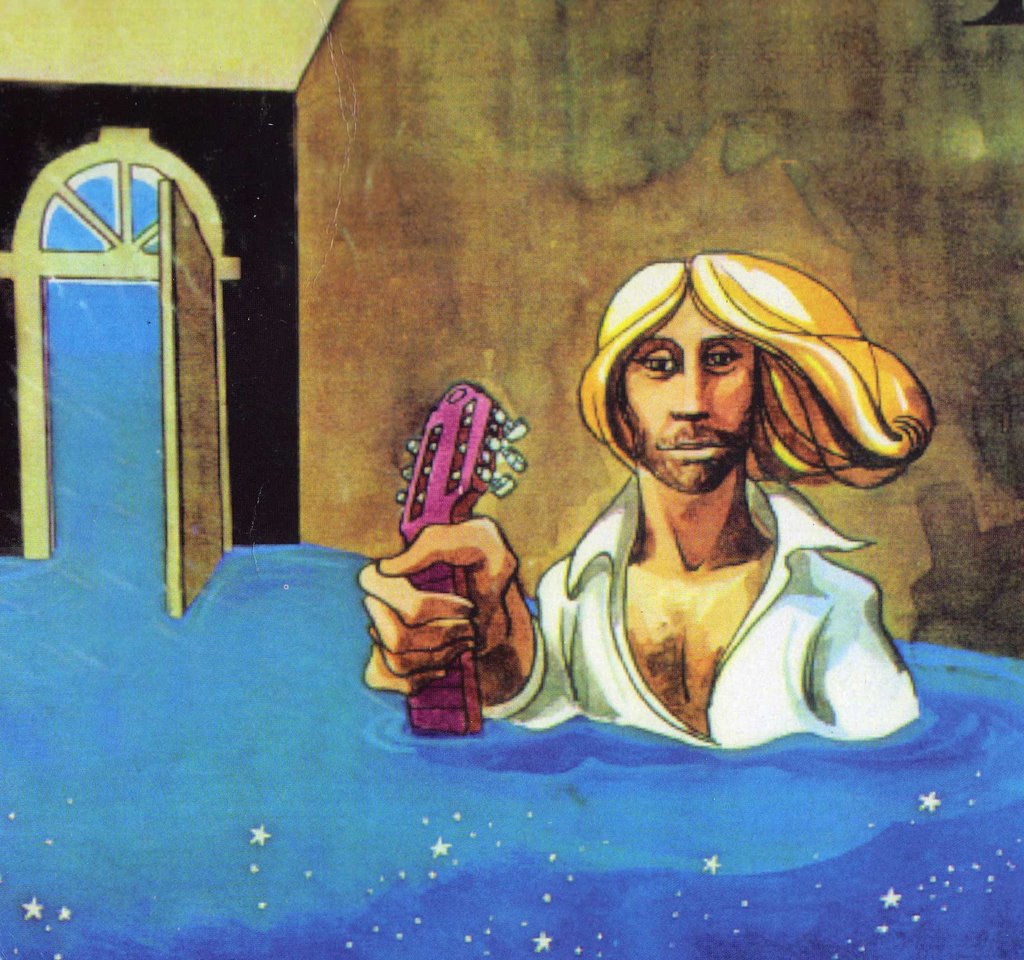
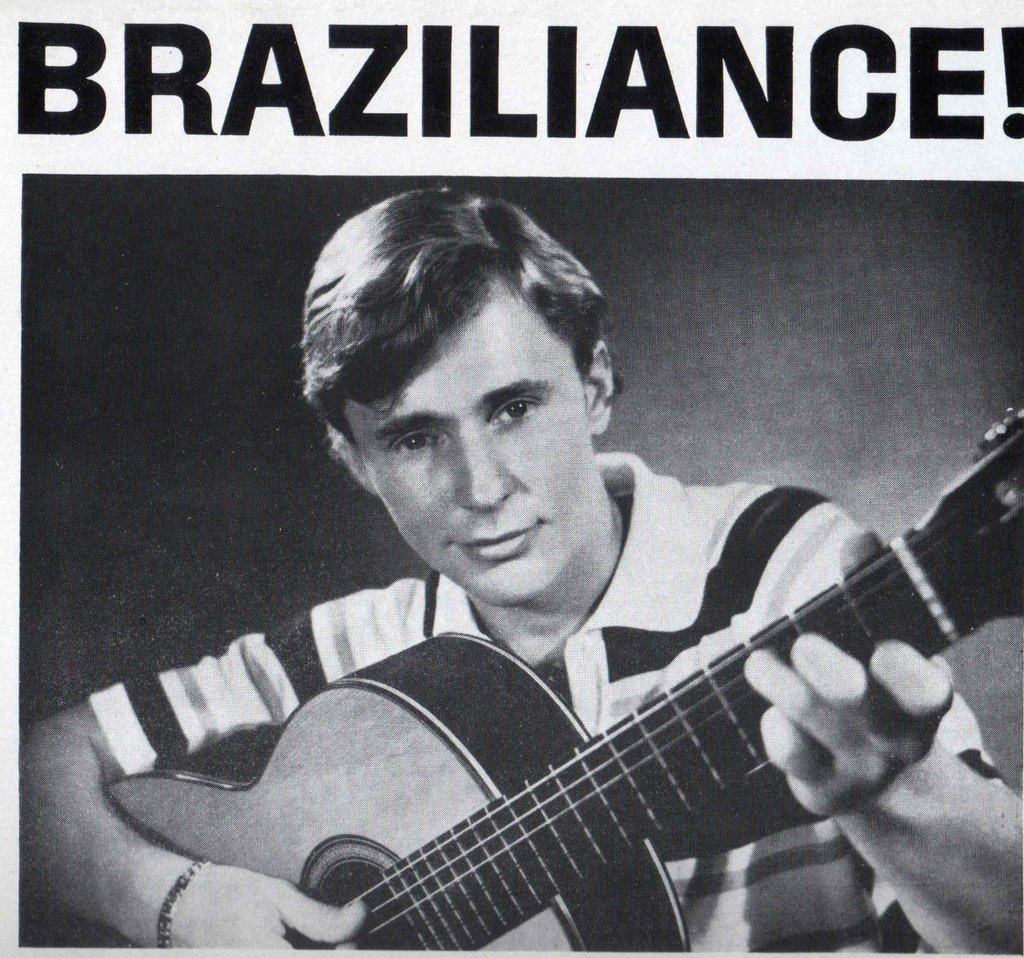

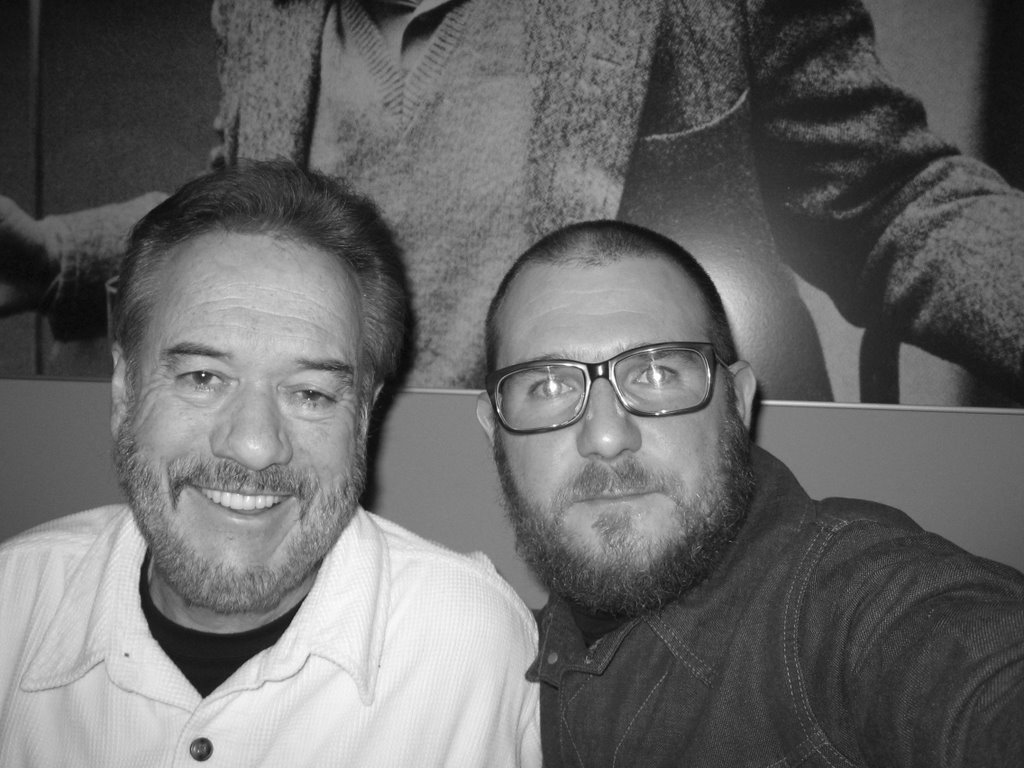
Like a dream come true i went in contact with one of my great Idols , my favourite Brasilian composer , Mr Marcos Valle.
I discover a great man , humble and cool , a man with an open mind , an artist always ready to experiment and create new sounds always with his great and unmistakable sound and touch ...heres a chat with Marcos Valle


I read you studyed classical music , wich one is your favourite classical
composer , theres someone who inspired your musical taste and style?


M: Ravel and Debussy were the pricipal ones.


Listening to some of your records like " Garra " or " Marcos Valle " from
1970 i heard that in songs like " Des Leis " i can feel some kind of 60's
European or American infuence , wich bands were an ispiration for you?


M: Steely Dan,Chicago, Earth,Wind And Fire, Beatles, Harold Melvin And The
Blue Notes, War, Blood,Sweat And Tears, were some of them.


My Marcos Valle favourite tunes are " Ele e Ela "," Viagem " and "Pigmaiao
" also because i love that kind of waltz tempo , can you tell me something
more about " Ele e Ela " and waltz tempo in Bossanova?


M: Jobim,Menescal and I have written some waltz tempo songs.. I think it
blends well with the the softness and sensuality of the Bossanova mood.
I have written at least 6 of them,and "Ele e Ela" is also one of my
favorites,because of the chords changes and the smooth melody.


Most of your songs are about love how love influenced your musical life .


M: I can´t understand the world without love,so my songs talk about it.Not
only love between 2 persons,but also love for your people,for all the
races,for the ones who need care.


What you think about mixing Bossanova with other styles like Funk or
Psychedelic sounds in the 70's or electronics today..


M:I love these experiments and mixings.They inspire and excite me.


How important were the traveling in North America for being in time with the
music , like you are already now.


M:Well,besides having my songs recorded there,my personal contacts were very
interesting.
I had good times touring with Sergio Mendes in the Sixties.
The success of my song "Summer Samba "in 67 took me to some of the most
important musical American TV shows;I had the chance to record then 2
albuns:one for Warner,named "Braziliance-The Music Of Marcos Valle" and one
for Verve:"Samba 68".I had a chance to meet important artists as Henry
Mancini,Quincy Jones,Johnny Mandel,Ron Carter and others.And from 75 until
80,when I stayed 5 years there,I met Sarah Vaughan,with whom I
recorded,besides having my songs recorded by her;the group Chicago also did
it;I had a chance to write many songs with Leon Ware,partner of Marvin Gaye
(Leon recorded many of our songs);I collaborate with Airto Moreira writing
the arrangements for his album "Touching You,Touching Me",and also had songs
recorded by my friend Deodato.


You wrote the Azymuth song that inspired Azymuth band , can you tell me
something about that soundtrack , i mean "O fabuloso Fittipaldi".


M: I had written the song "Azymuth",with my partner Novelli,in the 60s,for
the opening of a TV film,about racing driving.And recorded in the accoustic
piano myself. Then,years later 2 important movie makers,Roberto Farias and
Babenko decided to Make a film about the 2 times World Formula One Champion
Brazilian Racing Driver Fittipaldi,and they asked me to write the score; and
as they loved the song "Azimuth",they asked me if I could write a new
arrangement of that song for the opening of the film,which I agreed.To
record the soundtrack with me,the producer of the album decided to call 3
talented musicians: Jose Bertrami(Keyboards),Alex Malheiros(bass) and
Mamao(drums),and I playing the accoustic piano.
Bertrami and I wrote the arrangements together.We wrote a new arrangement
for "the song "Azymuth",but basically,my piano solo was the same,and I wrote
new songs for the rest of the film.
I could not put my name in the record as a performer,once I had a contract
with EMI,and this was being recorded in Phillips(Universal today).So,we had
to find a name for the performers.The producer thought about "Conjunto
Azymuth" ("Azymuth Band"),because of the opening song.I agreed.
After the record,those 3 musicians decided to stay together,and asked me if
they could use the name "Azymuth" for the band.I agreed,and I became the
"Godfather" of the group.And I really think they are probably the best
Brazilian instrumental band .


You collaborate with a lot of Brasilian musicians , wich collaboration were
the most important for you .


M: Joao Donato , Milton Nascimento , Edu Lobo , Menescal , Lulu Santos ,
Carlos Lyra , BossaCucaNova , Cidade Negra , are just some of them.


Its very difficult to find Marcos Valle original vinyls , the vinyls you
find are very expensive . what you think about this ?


M: I wished they were less expensive , so people who enjoy my music were
able to buy them.


Can you describe me the felling of Rio de Janeiro in the 60's .


M: It was very stimulating.I had my first song,entitled "Sonho de Maria",
recorded in 1963,by Tamba Trio.And a little bit after that,Os Cariocas
recorded 2 songs of mine,"Amor De Nada" and "Vamos Amar".And in 64,I signed
a contract to record to EMI for 5 years.
What was fantastic is that all the composers,musicians and singers use to
get together almost every week,in someone,s house,and I always wanted to get
there with a new song to show Jobim,Carlos Lyra,Menescal,and all the
others.So,I had to look for quality.I did not think in what would be
comercial,never.We just wished to write good songs.And that was the same for
film producers,plays,books,all kinds of art.The sixties were very creative.
Even when we had the military government,we were very productive.We had
problems with the censors,but did not give up.The lyrics started to change
to social and protest subjects.The meetings now were not only musical,but
also political,to discuss what we could do against the government.They
included all kind of art people.


When i listen to your 60's and 70's records i feel a kind of energy and
positive thinking about that period , it's Brasil changed today ?


M: As I say,I was very stimulated to do things and write a lot.
Today we have democracy,thanks God.Elections are free,we choose who we
want.But we still have the social problems.The population is much bigger,the
poverty also.We must fight that to find peace in our country.
We do not have anymore those weekly meetings,but I love to get together with
other composers of other generations,other music styles,and write songs with
them.That moves me.


What are you doing now , i know you are playing a lot in this period , can
you tell me something about your future projects?


M:I just came back from a great European tour,with my band,including 17
shows in different countries.
I Have recorded a new CD,all instrumental,with new and old
songs,produced,arranged and performed by me,playing the Rhodes,Accoustic
Piano,Guitar,Mellodica and keyboards,with my band,and have achieved the Tim
Award (the most important music award in Brasil) as the best instrumental CD
of the year.The CD was released in Europe,Japan and USA by Universal.
I will be perfoming 5 shows in Australia next January,in Sydney and
Melbourne Festivals,and in May I will start a new European tour.
And in Brasil,I will be perfoming a lot, also with my band .
And I will be recording a new record in 2007,I still do not know were.Let´s
see.

Marcos Valle

Labels: , , , , , , , , , ,

Thursday, November 02, 2006

interview to Airto Moreira


This time I would like to propose a chat with one of the Jazz legends I always love because of his way to be a kind of a magical percussion player , a guru .And when i met him , my sensation was to talk to a Witchdoctor... I had the chance of hearing Airto play as a guest star for an Italian group and I thought about talking to him to find out a bit more about a side of him that is little known to the public. Airto Moreira is known above all for his collaborations with Miles Davis, Weather Report and many other Jazz musicians such as Chick Corea or John McLaughlin or Keith Jarrett or even Quincy Jones, Paul Simon, Chicago, Herbie Hancock etc.. In this brief discussion I wanted to focus on the Brazilian period before he went off to New York and met all of the above mentioned names that made him become somewhat of a legend. We also spoke of New York, it was inevitable!

I am very interested in your starting out period when you played in groups such as Sambalanco Trio in 1965 with Cesar Camargo Mariano on piano and Humberto Clayber on bass or with the Sambrasa Trio also in 1965 with Hermeto Pascoal where you played the drums and this trio was very different from the others because its sound was very innovative and very articulate, simple but creative at the same time.

It’s true, here also there was much space and we were very young and ambition was sky high, we had much space up until Cesar at a certain point decided to leave the Sambalanco Trio for a singer called Marisa. We asked him to stay but he was convinced and in love, he wanted to start producing records for Marisa and so he left. Speaking with Hermeto it came out that he really liked our sound and so we decided to ask him to join us. Hermeto joined up on the condition that we changed the name from the Sambalanco Trio to the Sambrasa Trio, we agreed and with his Flute playing the sound became even richer and new, that’s when Flora Purim began singing with us.

The record entitled “Quarteto Novo” in 1967 changed the face of Brazilian music. The sound was very pure, classic but innovative at the same time. That quartet didn’t last very long, what do you remember about that period?

It was a very happy period and musically deep, the group was riding high and everybody couldn’t wait to get into the studio and play, experiment and create. The lovely thing was that, once again, there was enough room for everybody’s creativeness.

Then, after that period, Flora Purim went to New York and you followed her some time after. How did two Brazilians feel in New York?

It was fantastic, it was like being in a film and we were a part of that film. I was 23 and had difficulties because I didn’t speak English. Then we began to meet musicians like JJ Johnson, Cedar Walton and the bass player Walter Booket, then thanks to Walter we began playing with Adderley, Lee Morgan and Paul Desmon as well as Zawinul who put me onto Davis.

There started something that everybody calls ‘Jazz Fusion’ and albums like “Free” and “Fingers” were the start of this sound. The mixture between the sound of Jazz musicians like Hubert Laws or Ron Carter from CTI along with your typical touch created this kind of new sound, how would you define it?

I would simply define it as ‘Brazilian Jazz’.

You have collaborated with many musicians as a percussionist but also as a producer, I would like to ask you something about one of your productions that is very dear to me: “Amazon” by Cal Tjader from 1976?

In the beginning it was very hard work, this record united typical Californian Latin jazz with Brazilian influences. We worked on the project for more than three weeks and the result was amazing, I remember well Cal, when I see the cover it still moves me a lot, it was a great time.

What future projects do you have, are you recording anything?

Flora and myself are continuously recording, we then propose the material to labels for its publication. At the moment I am starting a 3 week tour of Japan and USA with Chick Corea and Eddie Gomez.

Ray Barretto sadly passed away not too long ago, he was also a great percussionist, did you know him?

Yes I knew him, Ray was a brilliant percussionist as well as a great person, the last time I saw him was two years ago in Barbados where we were both there for playing, we crossed each others paths quickly and then I never saw him again.

As you have probably understood Airto, just like all of the others who I have had the pleasure of interviewing, is a very simple person. His way of being made you feel that you were talking to some kind of saint or Macumbero, an experience that once again enriched my Soul Beat spirit, I hope it did the same for you. Peace all over the land.

Labels: , , , , , , , , ,

Monday, October 30, 2006

Interview to Azymuth


After long time i realize another of my dream , seen Azymuth play'n live.
As always i went there and i ask them " eu preciso de falar com vocè " they sayd " tudo bom !" and we had a chat ....
They were very kind to me more than the club owner ...
Heres what we talked that night ....


How have Azymuth changed from the times of "Samba Doido", "Crazy Samba", nightclub Caneçao, Youngsters, Milton Nascimento, Jorge Ben, Deodato, the music from the soundtrack "O Fabuloso Fittipaldi " in 1973 until now?

Now we have more maturity, we can make it different, our heart is open to the young generations and the new music... At the end the difference is the age and the head addiction! It's like a wine…

Your sound is always contemporary and authentic, what are your inspirations... We know that Bertrami worked with Flora Purim and Robertinho Silva: was this an inspiration for Azymuth?

In the beginning when we were young we were listening to a lot of Jazz Big Bands like Glenn Miller, Duke Ellington etc... Orchestras, a lot of Samba too: we put all this together, it was fantastic.

How important was the label Milestone for your success in America and Europe?
Milestone opened the Doors for the world, for the success, it was very important for Azymuth. We did many LPs with Milestones.

Which work of yours do you consider as your best one: Melo da Cuica, Light as a Feather, Azymuth, Partido novo or Telecomunication?
For me (Ivan Conti) our best work is Telecomunication, its a moment, you know, this album is a memorial time in the studio, very clear, we had the open heads, we talked, a lot of communication. We played everything perfect! This is our favourite one!

How important is the label Far Out for your modern sound?
Far Out brought the Band on the road again. This label is important because it gives us another kind of sound. Some years ago we were stopped for a few and we said "let’s get something new started" and Far Out brought the old Azymuth forward again.

What do you think about remixes producers like Jazzanova, Global Communications, Mark Pritchard, Kenny Dope and 4Hero?
Now I like it very much, in the beginning when I heard these remixes I was very excited but it was strange, we were not so ready to hear this kind of changes, we didn’t understand that at that time. Now we understandthat it’s is a new kind of idea and a new sound and we like it.

You have never stopped making music since 1972, always being up to date yet preserving your typical sound. What’s your secret?
The secret is the respect, the patience for each other, some time we fight, of course, but we always get the other way to create another sound... What’s important is the union and the respect for eachother’s opinions and ideas.

What do you think about the new Brazilian music explosion, DJ’s and producers like Marky, Patife, etc.?
There’s a lot of good music now and a lot of bad too!

One of my favourite tune is Manha from 1975, tell us something about that song.
Manha is good times! Everything fresh in our head, we were young, now we have to run like Forest Gump! Manha is a special time song, I like it too!

Labels: , , , , , , , , , , , , , , ,

Free Web Counter
Free Counter